
Invest in solar to turn your roof into an energy-generating asset that can reduce costs, deliver long-term returns and give you greater control over your energy.
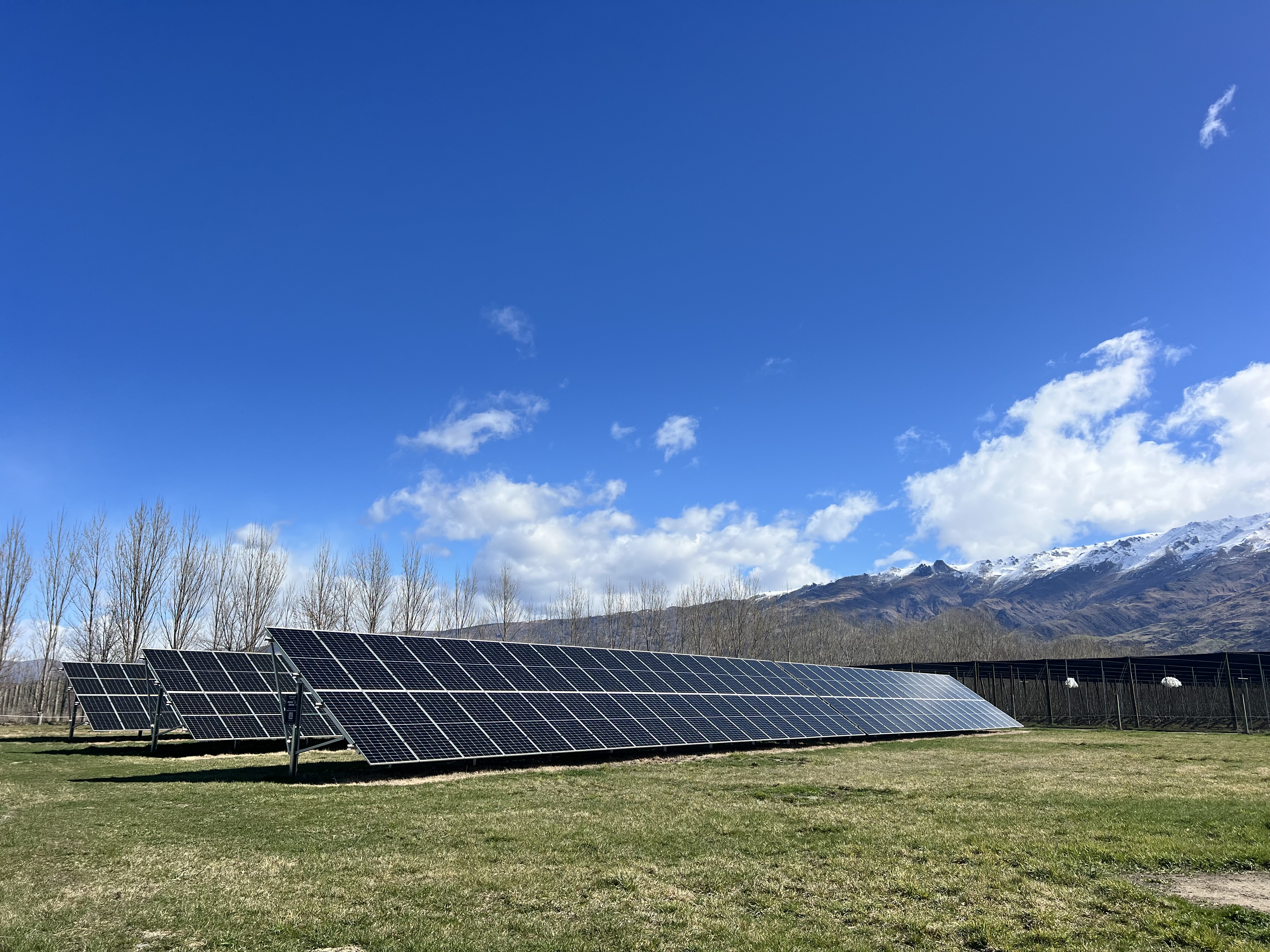
Investing in solar is like buying 30 years of electricity upfront. Once your system is installed, every unit of solar electricity your business uses is one less unit you need to buy from the grid. Any solar energy you don’t use can be exported back to the grid, earning your business additional income.
Over the long term, this can significantly reduce your energy costs and help protect your business from future electricity price increases. Because many businesses use most of their energy during daylight hours, they can achieve high levels of self-consumption and strong returns on investment.
Queenstown Office Space
$5,800 saved each year in electricity costs
2,180kgs of annual reduction in CO2e operational emissions
45% reduction in electricity costs & electricity related emissions
99% Return on Investment
*This data is for a 32kW solar array
Wanaka Hotel
$42,400 saved each year in electricity costs
32 tonnes of annual reduction in CO2e operational emissions
26% reduction in electricity costs & electricity related emissions
9 Years to pay back
*This data is for a 225kW solar array
Frankton Business
$8,312 saved each year in electricity costs
195% Return on Investment
10 Years to pay back
*This data is for a 60kW solar array
Businesses across Queenstown Lakes are already finding smarter ways to use, generate and store energy. Explore their electrification journeys, see what’s working locally and discover what could be possible for your business.
Explore all Local Stories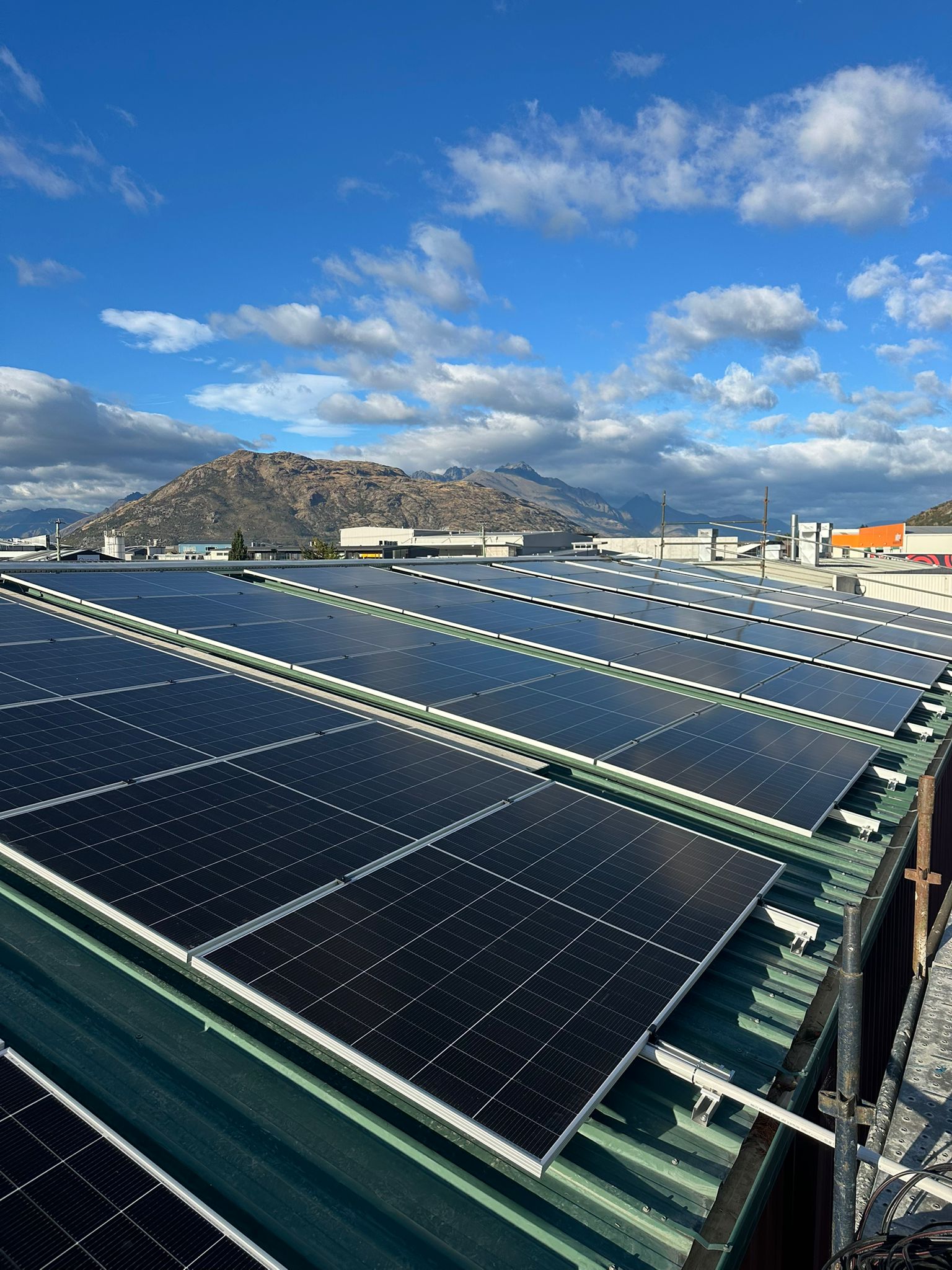
European Bakery
Bakery electrifying ovens with solar, battery and a Solar for Renters arrangement on a leased building.
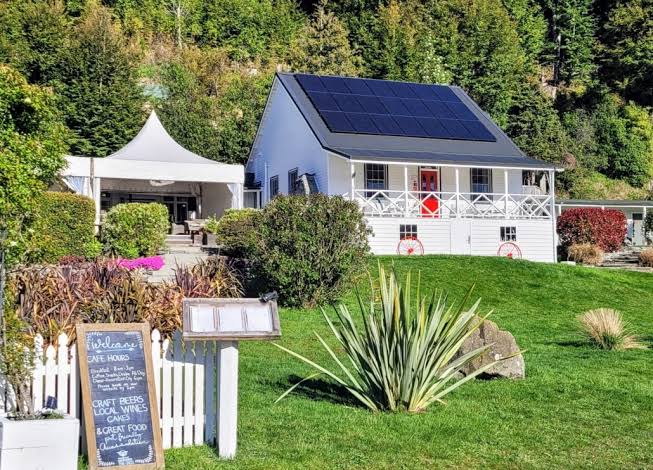
Kinloch Lodge
Tourism retreat with heat pumps, solar, battery storage and electric guest transport.
Electric Cherries
All-electric orchard with 21 electric machines, 150 kW solar and 300 kWh battery storage.
Explore current programmes and opportunities designed to help your business take the next step towards electrification.
Solar for Renters
Join our trial helping renters and landlords access rooftop solar for rental homes and businesses.
Learn More
Group Discount Programmes
Benefit from the power of numbers to access competitive pricing on selected electrification technologies.
Learn More
QEA Electrification Support
Get expert support to identify, assess and deliver electrification projects, from initial advice through to business cases, feasibility studies and implementation.
Learn MoreFor many businesses, yes. Businesses that use a lot of electricity during daylight hours can be particularly well suited to solar because they can use more of the electricity they generate on site. The financial return will depend on factors such as your energy use, electricity rates, available space and the cost of the system.
No. Solar can deliver strong financial returns without a battery, particularly for businesses with high daytime electricity use. A battery can provide additional benefits, such as storing excess solar for later use, managing peak demand and providing backup power during outages.
Solar panels are a long-term investment, with systems typically designed to generate electricity for 30 years or more. Individual components may need maintenance or replacement during this time.
You can still be able to benefit from solar. Installing solar on a leased property requires agreement between the tenant and building owner, but different ownership and financing arrangements can help make it work. QEA can help businesses and landlords explore their options through the Solar for Renters program.
Any excess electricity can generally be exported to the grid, subject to your connection arrangements. Your electricity retailer will then pay you for this exported energy. However, using your solar electricity within your business will typically provide greater value than exporting it.
No. Solar can deliver strong financial returns without a battery, particularly for businesses with high daytime electricity use. A battery can provide additional benefits, such as storing excess solar for later use, managing peak demand and providing backup power during outages.
Not by itself. Most standard grid-connected solar systems will switch off during an outage for safety. To provide backup power, you generally need a battery which will be designed to back up critical loads when the grid is down.
There is no one-size-fits-all answer. The right system size depends on your electricity consumption, when you use energy, available roof or ground space, budget and what you want the system to achieve. Looking at your electricity data can help identify the right size for your business.
Start by understanding how much electricity your business uses and when you use it. From there, you can assess your site, explore the potential financial return and get quotes for an appropriately sized system. QEA can provide independent guidance to help you understand your options and take the next step.
QEA provides independent advice to help your business identify and progress its solar and wider electrification opportunities. Whether you’re just starting to explore your options or need a detailed feasibility study or business case ready for board-level approval, we can support you through the process.
.avif)


.avif)