
Modern electric cooking can create a safer, healthier and more efficient commercial kitchen. From induction cooktops to electric ovens and specialist equipment, going electric can improve the working environment for your team while reducing energy use, operating costs and emissions.
Gas cooking wastes a significant amount of energy as heat into the surrounding kitchen. Induction is much more efficient because energy is transferred directly into the cookware, meaning more of the energy you purchase is used for cooking.
The benefits can extend beyond the appliance itself. Less excess heat can reduce the amount of energy required to cool your kitchen, while removing gas combustion may also reduce some ventilation requirements, depending on your kitchen and cooking processes.
Removing gas entirely can also eliminate fixed gas connection or delivery costs. Some businesses may also benefit from lower insurance costs due to the removal of open flames and gas, although this will depend on your insurer.
The financial case will look different for every kitchen, but the full picture should consider energy, cooling, ventilation, maintenance and other operating costs rather than simply comparing the purchase price of gas and electric appliances.
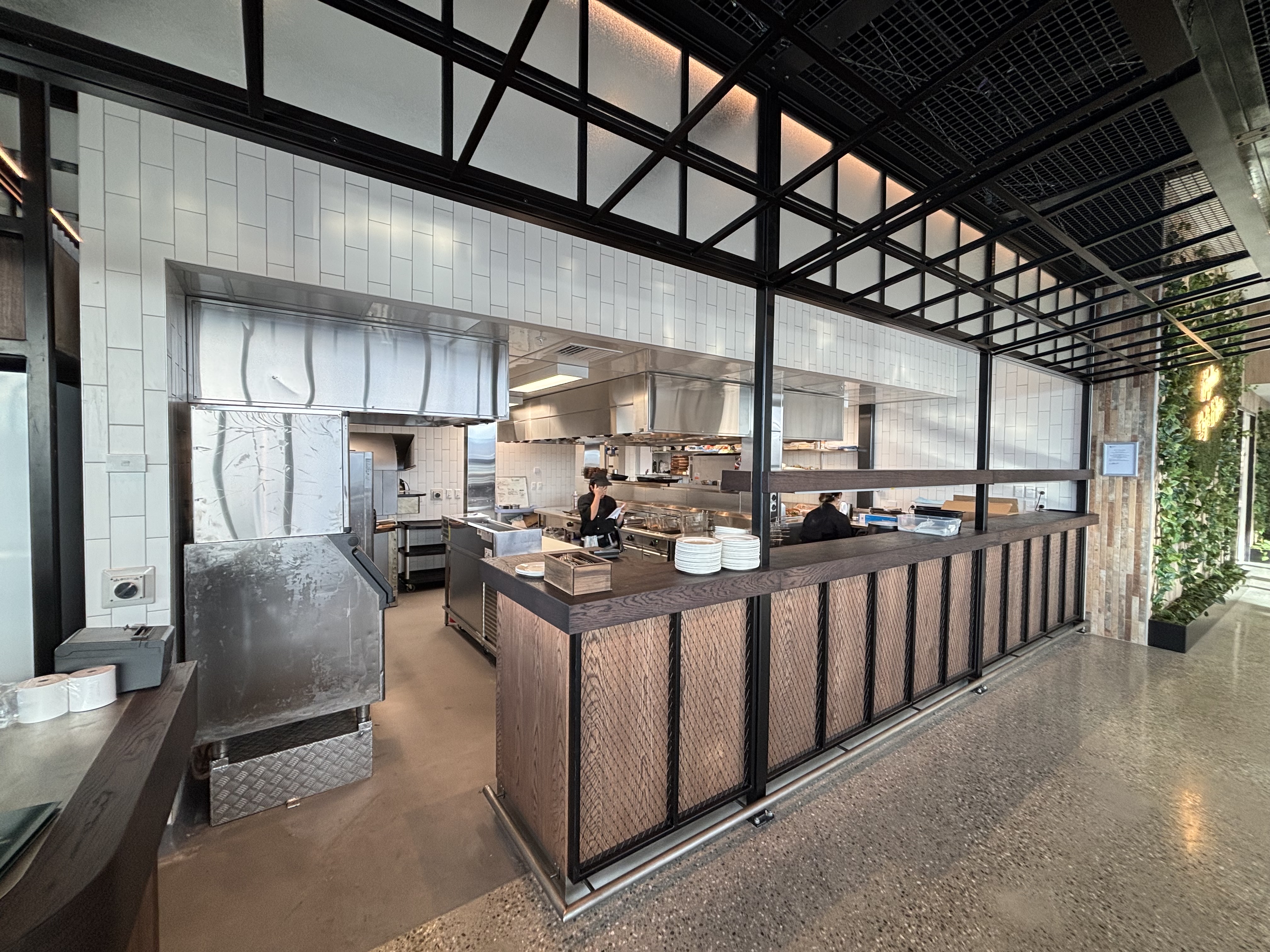
Skyline Queenstown
~$36,000 saved each year in electricity costs
~44 tonnes of CO2e avoided in operational emissions
Improved kitchen working conditions (cooler, quieter, safer)
Reduced reliance on volatile gas markets
Businesses across Queenstown Lakes are already moving away from gas and demonstrating what the next generation of commercial kitchens can look like. Explore their electrification journeys, see what’s working locally and discover what could be possible for your business.
Explore all Local Stories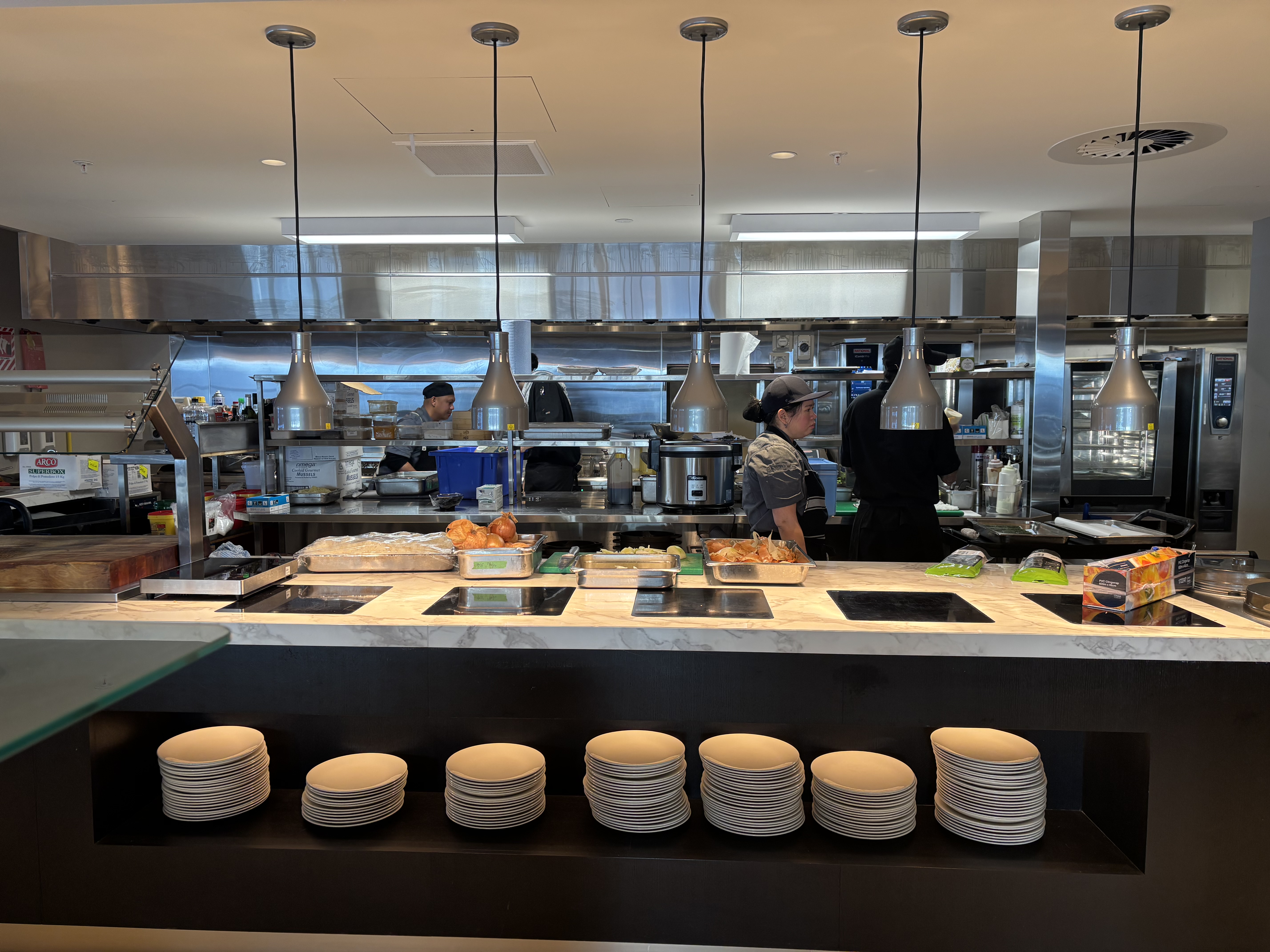
Skyline Queenstown
Fully electrified commercial kitchen, saving ~$36,000 and avoiding 44 tonnes of CO2 annually.

European Bakery
European Bakery is transitioning to a fully electric kitchen, investing in electric ovens and equipment powered by onsite solar and battery storage.
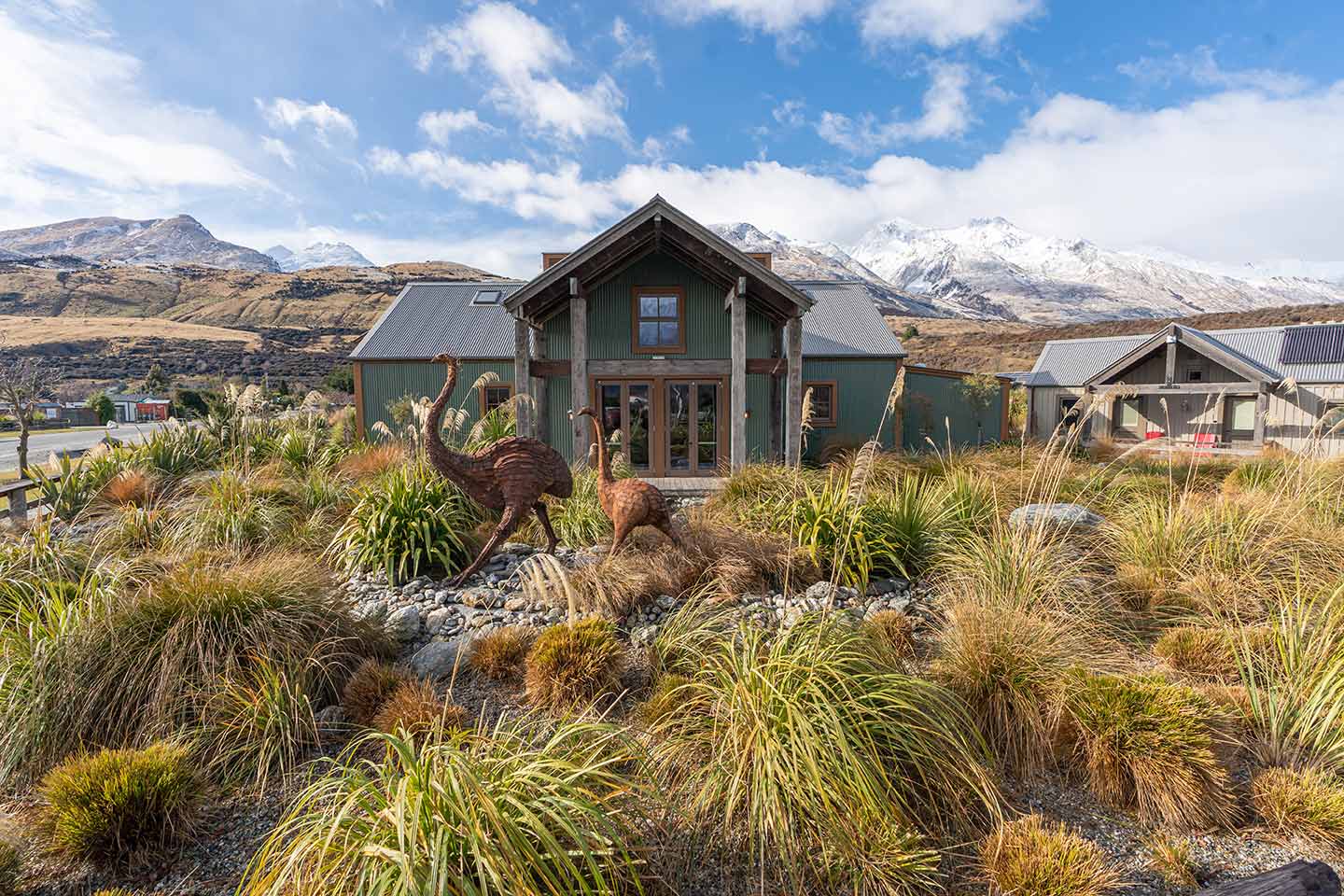
Headwaters Glenorchy Eco Lodge
Headwaters Glenorchy Eco Lodge operates an all-electric kitchen using induction cooking, powered in part by its extensive on-site solar and battery system, helping reduce reliance on fossil fuels and support a more efficient, lower-emissions hospitality operation.
Explore current programmes, resources and support that can help your business understand electric cooking and plan your transition away from gas.

QEA Electrification Support
QEA provides independent advice to help your business identify and progress opportunities to switch from gas to electric cooking. Whether you’re starting to explore electric alternatives, considering induction or other commercial electric cooking equipment, or need a detailed feasibility study or business case ready for board-level approval, we can support you through the process.
Learn MoreGet in TouchYes, particularly when using induction. Induction transfers energy directly into the cookware, while a significant amount of the energy from gas cooking escapes as heat into the surrounding kitchen.
Greater efficiency means less energy is required to perform the same cooking task and less unwanted heat needs to be removed from the kitchen.
Moving away from gas and open flames creates a safer and healthier commercial kitchen. Removing open flames can reduce fire and burn risks, while eliminating gas combustion removes the associated combustion fumes and pollutants from the kitchen.
Induction surfaces also do not generate heat in the same way as traditional gas or resistance cooktops, although cookware and surrounding surfaces can still become hot during cooking.
Potentially. Removing gas infrastructure and open flames can change the risk profile of a commercial kitchen, and some businesses may be able to achieve lower insurance costs as a result.
Speak with your insurer about whether electrifying your kitchen could affect your premiums or insurance requirements.
Possibly, but not always. The answer depends on your existing electrical capacity, the equipment being installed and when different appliances operate.
Understanding your actual demand is important. Your kitchen may not have every appliance operating at maximum power at the same time, and equipment selection, controls and smart energy management can potentially help manage peak demand.
Assessing your electrical capacity early will help you understand what is possible before selecting equipment.
No. You can develop a pathway to electrification and replace gas equipment as appliances reach the end of their life.
Planning ahead is important. Understanding your future electrical requirements now means that when a gas appliance needs replacing, you can make an informed decision rather than automatically locking your business into another gas appliance for years to come.
Start by understanding the gas equipment you currently use, its age, energy consumption and likely replacement timeline. It is also important to understand your site's existing electrical capacity.
QEA can help you explore electric alternatives, understand the potential costs and benefits, and develop a practical pathway towards an all-electric commercial kitchen.
QEA provides independent advice to help your business identify and progress opportunities to switch from gas to electric cooking. Whether you’re starting to explore electric alternatives, considering induction or other commercial electric cooking equipment, or need a detailed feasibility study or business case ready for board-level approval, we can support you through the process.
.avif)



.avif)