The QEA accelerates the electrification of homes and businesses, and works to ensure no one is left behind on energy. We bring forward the benefits of lower bills, lower emissions, and more resilience to the whole community, while making Queenstown a lighthouse for New Zealand and the world's energy future.
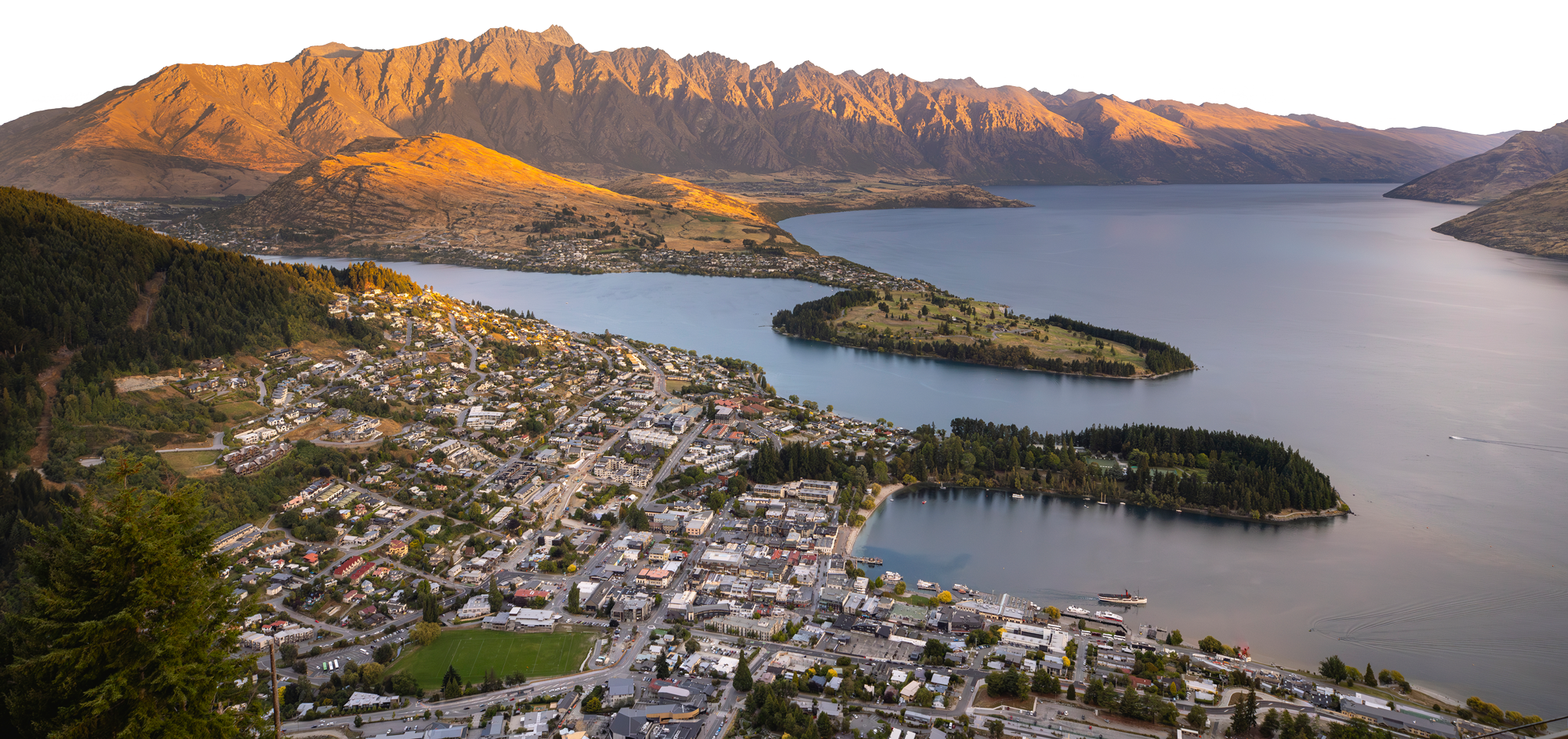
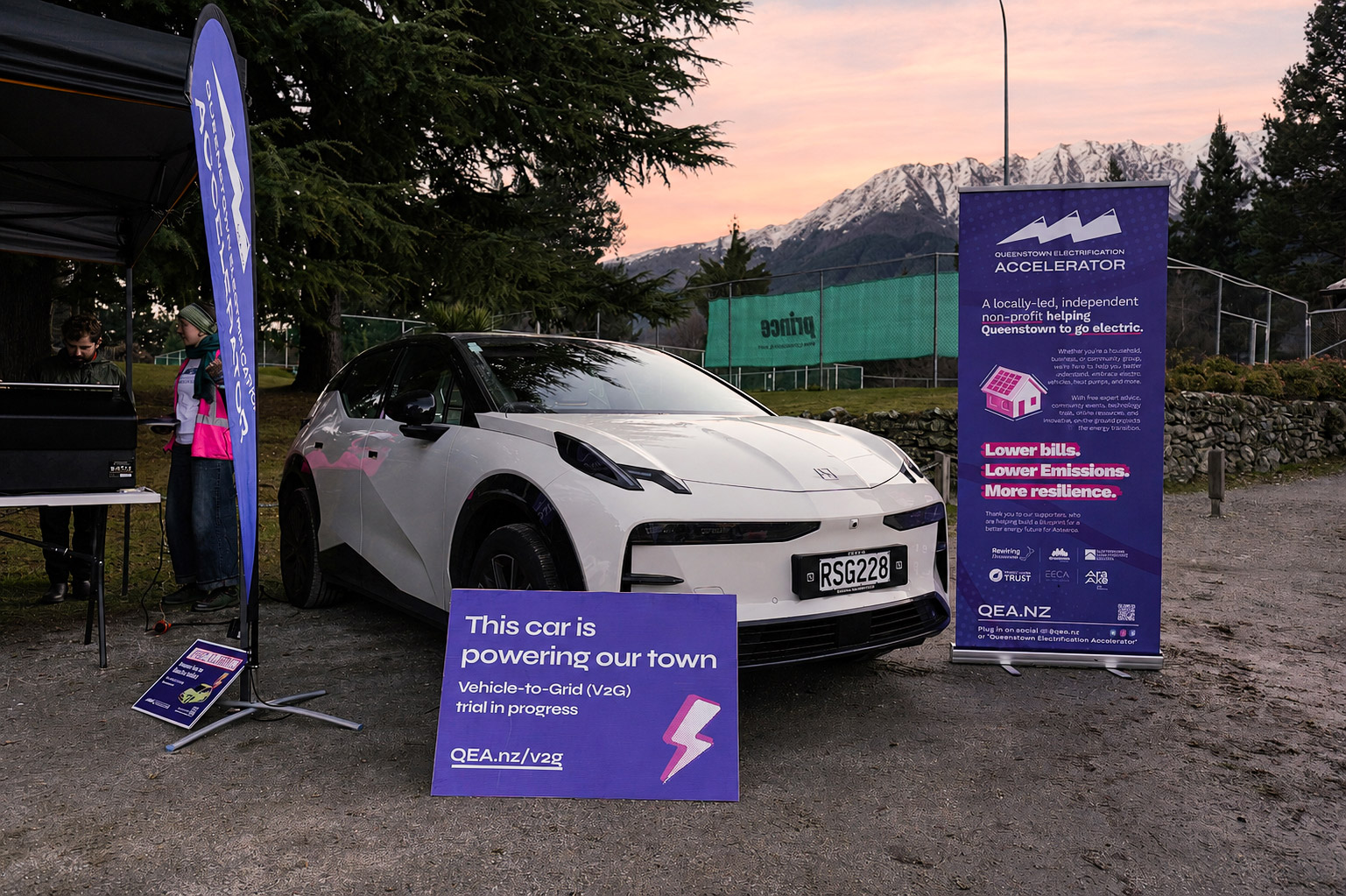
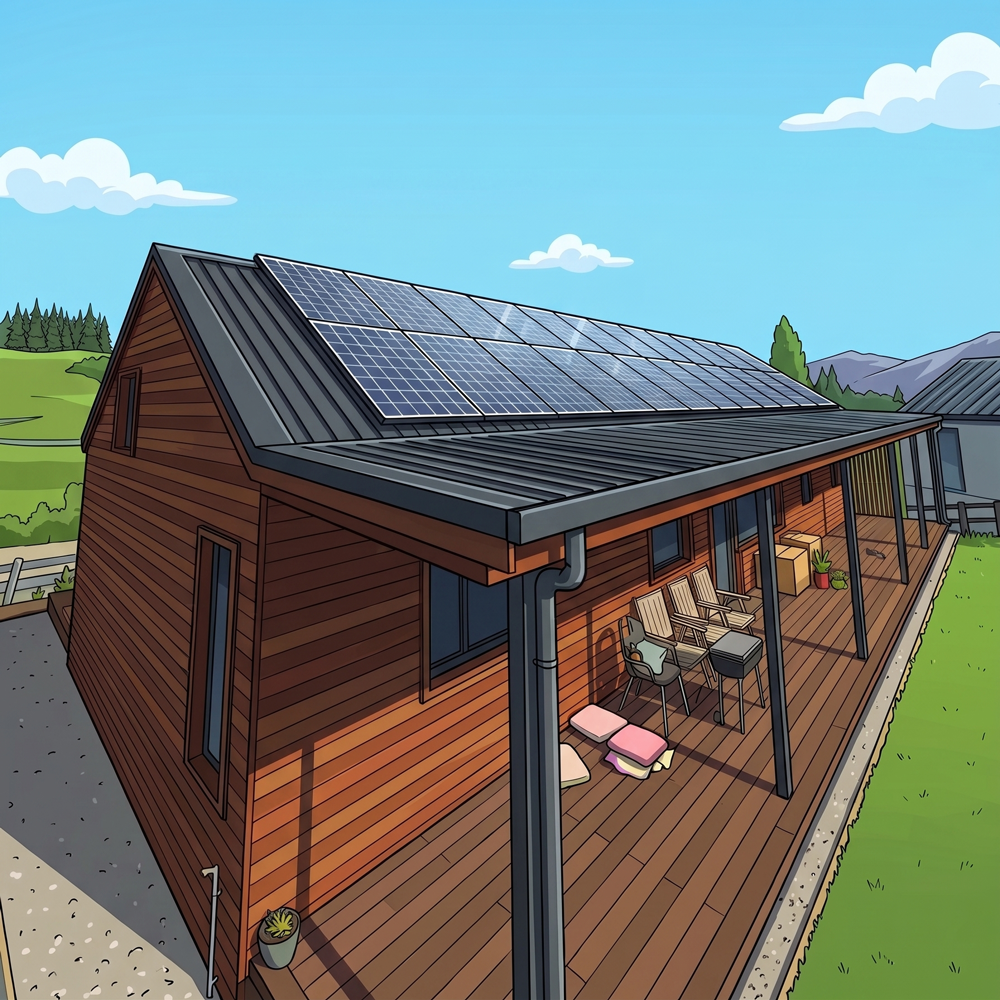
Queenstown inspires the world with its landscape and adventure, and it's aiming to now set national and global precendents on energy.
Building the 2050 energy system by 2030, becoming a zero carbon tourism destination that delivers lower bills and more reislience to the community.







Skyline has completed installation of a 32.4 kW rooftop solar system at O’Connells Mall in Queenstown CBD, marking another step in the company’s ongoing sustainability journey.
The 72-panel system supplies electricity to Skyline’s Support Office on the top floor of the company-owned building. It is expected to generate approximately half of the office’s annual electricity consumption.
The installation is the fifth solar system supporting Skyline’s operations, building on the company’s investment in practical projects to reduce emissions, lower their operating costs and increase their resilience to increasing energy prices.
As the first commercial solar system in Queenstown CBD, the project also demonstrates the potential for businesses in the town centre to generate their own electricity and contribute to a lower-emissions visitor destination.
QEA supported Skyline in evaluating the feasibility of various size solar arrays on the O’Connells mall. This study was then developed into a business case to showcase the opportunity.
QEA also supported Skyline in evaluating their quotes received from solar installers and gave independent advice throughout the project.
QEA hopes Skyline’s installation will inspire more local businesses to explore solar and other electrification opportunities.
Felton Road has been working to reduce its energy use and carbon footprint for more than a decade, with solar, electric vehicles and energy-efficient winery design all playing a part.
The new solar array is the latest step in Felton winery’s electrification journey, which began with 120 panels in 2019. The array’s unique design follows the contours of the hillside, illustrating how solar can work in harmony with the local landscape.
The benefits of the new solar go beyond the aesthetic- they bring Felton Road Winery’s total solar generation to around 80 kW, alongside 57 kWh of battery storage- more power than they will need for most of the year. Excess electricity can be supplied back to the grid, while the battery stores energy for when solar generation is lower.
Solar is part of a wider electrification journey at Felton Road. The winery has replaced its car fleet with EVs, offers four solar-powered EV charging points, and has started using specialist electric vehicles for routine vineyard work.
The winery also uses its underground cellars, gravity-fed design and waste heat from refrigeration to reduce the energy needed to operate. Its annual carbon footprint is now around 250 tonnes, roughly half what it was just a few years ago.
For Felton Road, the new solar array is another step towards its goal of reaching real zero carbon, without relying on offsets, through changes to the way it grows grapes, makes wine and uses energy.
https://www.qea.nz/electrify-your-fleet
https://www.qea.nz/business-solar
As New Zealand's largest tourism brochure distributor, Visitorpoint has electrified their national fleet of vans.
Locally, they have successfully transitioned to a fleet of 100% electric Farizon v7E vans over the last few months, which they charge at public charging stations on the ChargeNet network.
In their busy Queenstown hub, the two new vans cover an extensive territory from central Queenstown and across the wider central Otago and Southland regions. Although having to think more about weather conditions, crossing the Crown Range, heavy loads and cold temperatures, with a vehicle range of around 300km, the investment and subsequent savings have been a great boost for the business.
The vans are also more comfortable to ride. The busy merchandising teams at Visitorpoint are enjoying the smoother, quieter and more nimble vans while knowing the impact on the environment is greatly reduced, and they are honouring their Tiaki Promise to care, conserve and protect New Zealand.
https://www.qea.nz/electrify-your-fleet
Electric from the start
Both Brains adopted EVs in 2019. Client work around the Wakatipu Basin, from Frankton and Queenstown out to Arrowtown and beyond, suits electric vehicles well, even trips into Milford Sound!
In the past 12 months, the two Teslas covered around 18,000 km and 14,000 km respectively, using about 5,600 kWh of electricity. A comparable petrol fleet would have burned roughly 2,500 litres of fuel over the same distance.
Adding solar to the equation
The vehicles are charged mainly at the home of owner Ryan in Lower Shotover. There, a 20.24 kW solar array and 27 kWh Powerwall system went live in 2026. Custom software developed by Ryan schedules the cars to charge on excess solar, or pausing charging when lower solar generation would mean running the house from the grid overnight, balancing between grid import and export to optimise usage.
The business was already avoiding fuel costs with EVs. Solar now cuts its remaining charging costs too, and most of its client visits run on energy generated from its owner's own roof.
Practising what they preach
For an IT company, the project is also a showcase of what the business does every day: connecting systems, working with data and automating the details. The same approach Both Brains brings to its clients' technology is now running the energy behind its own travel.
"Installing solar was always part of the plan, and it ties in well with the Tesla's used for the business." - Ryan, Both Brains
Brewing beer and kombucha is an energy-intensive process. From heating water and brewing to cooling tanks, refrigeration and packaging, electricity is a significant part of keeping b.effect running.
To reduce its reliance on grid electricity, b.effect installed solar at its Wānaka brewery. The system is expected to generate around 20% of the brewery’s total annual electricity needs, with much of that power used directly onsite.
Because the brewery operates during the day, solar electricity can go straight into brewing, cooling, refrigeration and packaging rather than being exported back to the grid.
For b.effect, solar is about more than reducing its power bill. As electricity demand grows with the electrification of businesses, homes and transport, generating some of its own electricity is one way the brewery can contribute to a more resilient energy system.
Solar is just one part of the brewery’s wider journey. B.effect is continuing to look at how it can generate, recover and use energy more efficiently, including whether battery storage could help make even better use of the electricity it generates.
For a small independent brewery in Wānaka, it's a practical step towards a more efficient and resilient business, powered, in part, by the sunshine right outside its doors.
https://www.qea.nz/business-solar
The Central Otago sun is a key ingredient in Valli Vineyard’s award-winning Pinot Noir, so for winemaker Grant Taylor and his wife Nicole, harnessing that same resource to power their home made perfect sense. When the couple purchased a converted 1930s shearing shed in Gibbston Valley, they wanted to restore its character while bringing it into the 21st century. Solar became part of that vision, helping reduce their energy bills, environmental impact and reliance on grid electricity.
Twenty-two solar panels were installed across the roof, which produce nearly 9,000 kWh of electricity each year. They coupled the solar with a 13.5 kWh Tesla Powerwall added to store excess daytime generation for use at night.
The system is projected to save Grant and Nicole around $2,893 on their energy bills each year, while reducing their carbon footprint by around 982 kg of CO₂ annually. For the couple, the benefits extend beyond the numbers, giving them greater control over their energy use and allowing them to see their solar generation and environmental impact in real time.
Valli’s solar journey shows how renewable energy can be thoughtfully integrated into properties with a strong connection to their history and surroundings. By combining modern technology with the character of a much-loved Central Otago building, Grant and Nicole have created a more self-sufficient home while making practical use of the region’s abundant sunshine.
https://www.qea.nz/business-solar
Catch a Fish launched in 2025 with sustainability built into its approach. Rather than using a conventional petrol trolling motor, the business invested in a Garmin electric motor powered by solar. The motor can use GPS to hold the boat in a set location, allowing skipper Olly to focus more on guests while fishing.
The quieter motor also changes the experience on the lake, reducing engine noise and avoiding the fumes and fuel use associated with a petrol trolling motor. The business still uses a petrol-powered main outboard, but plans to move to an electric version when the technology becomes practical and commercially available.
Catch a Fish’s electric trolling motor was showcased at Electrify Queenstown, helping demonstrate how electrification can work in the tourism and boating sector.
Wānaka Hotel has combined electrification with onsite solar, replacing its diesel heating system with electric heat pumps and installing 50 solar panels on its roof. The solar array helps generate electricity onsite to support the hotel’s growing use of electric energy.
Rather than trying to make every change at once, the hotel is taking a staged approach, starting with the north-facing section of its roof and monitoring its energy use before considering further solar on the western roof and potentially adding battery storage.
NRG grew partly from TomTom Productions’ involvement with Electrify Queenstown, where the team saw an opportunity to apply electrification to one of the event industry’s biggest sources of emissions: temporary diesel power, demonstrating how battery technology can be used in a real event environment. When the team couldn’t find a battery system suited to the demands of live events, they developed their own.
The resulting system replaces traditional diesel generators with mobile battery power designed specifically for events. It can provide power as it is needed rather than keeping a diesel generator running continuously, while also removing the noise, fumes and onsite emissions associated with diesel generation.
The technology has already been used at events across Queenstown. At a recent winter Mardi Gras event, an NRG battery supplied power for 54 of the 67 hours before the show, reducing generator runtime and saving an estimated 466 litres of diesel and 1.25 tonnes of Carbon emissions.
NRG’s work provides an example for other event businesses to consider how they can reduce reliance on diesel while still delivering the power and flexibility their events require.
https://www.rewiring.nz/news/bright-sparks-hamish-roberge-nrg-event-batteries
https://www.qea.nz/business-batteries
Shotover Canyon Swing has been progressively moving away from fossil fuels at its remote, increasingly off-grid site. The business installed its first 24 solar panels in 2021, replacing much of the electricity previously supplied by a diesel generator. A further six panels and three-phase inverters were added in 2024 to prepare for the transition to electric winches.
In December 2025, the first custom-built electric winch was commissioned, followed by a second identical unit to provide backup. The new winches replace the original petrol-powered systems and provide a quieter, cleaner and more controlled way to bring customers back up to the platform.
Today, the operation has close to 15 kW of solar and 60 kWh of battery storage, powering the winches as well as the customer building, media systems, computers, lighting and air conditioning. A diesel generator remains as a backup for winter and extended periods of cloudy weather, but its use has been significantly reduced.
Shotover Canyon Swing is showing what’s possible for adventure tourism businesses looking to move away from fossil fuels, proving that even remote operations can take practical steps towards cleaner, quieter and more resilient ways of working. Their gradual approach shows that electrification doesn’t have to happen all at once, and that each step can help build towards a more sustainable operation.
Gibbston Microgreens operates climate-controlled vertical agriculture units ("growtainers") with local distribution to regional restaurants such as Sherwood. For the first step on their electrification journey, Gibbston Microgreens added an LDV E-Deliver 3 electric van to its delivery operation, helping the business reduce the emissions associated with getting its microgreens to customers around the basin. The EV fits naturally alongside its existing focus on local production, short delivery distances and reducing operational waste.
The company is now looking to install solar to build on its own resiliency efforts and offset roughly 35% of its energy use as part of their ongoing focus on sustainability.
For a business reliant on electricity to keep its growing systems operating, onsite generation could also provide greater resilience during grid disruptions, which the Queenstown lakes region is particularly vulnerable to. Energy resilience could then be enhanced further when paired with appropriate battery storage and backup systems down the line.
QEA has undertaken a solar feasibility study for Gibbston Microgreens, assessing the site and roof orientation to determine the most suitable size and configuration for a solar array. The assessment is helping the business understand how it can generate more of its own electricity to reduce costs, while supporting its wider sustainability and resilience goals.
• Dunlop’s HQ combines high-performance building design with onsite renewable energy generation.
• Features 24 rooftop solar panels that power both the office and workshop
• Expected to generate more electricity than the building consumes over the course of a year.
The Dunlop Builders Hub is New Zealand’s first certified Passive House office building, and one of only five worldwide to achieve Passive House Plus certification.
The hub was designed from the ground up to demonstrate what is possible when high-performance building design is combined with renewable energy. Achieving Passive House Plus certification required careful planning and close collaboration between builders, designers and solar installers to ensure every part of the building worked together as one integrated system. The office has been designed to dramatically reduce energy demand, with heating requirements estimated at just 14 kWh/m² per year- around 2,058 kWh annually.
The solar system is expected to generate more energy than the building uses each year, meeting around 119% of the site’s annual energy needs and enabling surplus electricity to be sent back to the grid. Early results are already promising, with the building generating more energy than it has consumed since the system was installed.
The excess solar energy is also used to charge the company’s plug-in hybrid vehicle, showing how efficient buildings, renewable energy and electric transport can work together to create a low-emissions, resilient future.
Marco’s electrification journey began with solar on his roof. Then, when he realised his solar system was generating lots of excess power, Marco decided to electrify his hot water heating to make better use of the solar power.
Marco installed a hot water heat pump through the QEA’s Group Discount Programme, Marco has been experimenting with when to run it to make the most of his solar generation. Using the Emerald app, Marco programmed the system to run between 10am and 2pm, when solar generation is available, rather than relying on grid electricity at other times of the day.
The results have been encouraging. The hot water tank is reaching 60°C, meaning the household has plenty of hot water while making good use of the electricity their solar system is producing. His power bill went down 50% in the first month, and all his appliances now run on solar.
Marco is now planning to get a battery to use solar energy even when the sun isn’t shining. He’s also going to keep experimenting with the settings as the days get shorter, to find the most efficient way to heat their water throughout the year.
With support from QEA’s group discount programme, Marco was able to access a lower price on his new hot water heat pump, making the move to a more efficient electric system easier and more affordable.
Sasha* was spending $6,000 to $7,000 a year on power and wanted to find a long term way to bring those costs down.
With the help of a 0% interest loan from Westpac, solar became a much more achievable investment. Future Energy designed a 12.5 kW solar system around Sasha’s household energy use, with the aim of meeting most of her electricity demand.
Based on current electricity prices, the system is expected to break even at around the five year mark. During those first five years, the money that would have gone towards her power bills is instead helping pay off the interest free loan. Once the system has paid for itself, Sasha could see even greater benefits, with an estimated $4,000 to $5,000 in annual power bill savings, which amounts to $100,000 to $125,000 over the system’s lifetime.
For Sasha, solar is about generating clean energy, turning high energy costs into a manageable investment and taking greater control of her home’s energy future.
*name changed for privacy
Freddie* was facing high power bills and occasional outages and wanted to take greater control of his energy. When it came to solar, he wanted a solution that would make good use of his property while complementing the look of his home.
The garage roof turned out to be a great fit. With plenty of available sunlight and the right orientation, it could accommodate 16 sleek, all-black Suntech panels, creating a 7 kW solar system that makes the most of the space available.
To take his energy independence even further, the system includes a SolaX IES Battery with two 5 kWh stackable units. Excess solar energy can be stored in the battery and used later when the panels aren't generating, while the battery can also provide backup power during an outage.
Freddie's system is a good example of how solar can be tailored to the home. If the main roof isn't the right option, whether because of its orientation, available space or simply the way you want your home to look, there may be other areas that can work just as well.
The result is a smart, practical system that helps Freddie make more of his own clean energy, manage his electricity use and add greater resilience to his home.
*name changed for privacy
Queenstown winters can put serious pressure on household energy bills. For Carlos*, cold snaps had previously pushed his electricity costs as high as $1,000 a month.
Looking for a smarter and more sustainable way to power and heat his home, Carlos turned to solar and battery storage.
His 13.5 kW solar system, made up of 30 Suntech panels, generates electricity during the day, while a Tesla Powerwall 3 stores excess solar energy for use when it is needed. This means more of the clean energy produced at home can be used by the household, including into the evening when solar panels are no longer generating.
The battery also gives Carlos greater flexibility in how and when he uses electricity, helping reduce his reliance on energy from the grid.
For Carlos, the benefits go beyond the potential savings. His solar and battery system is helping create a warmer, more comfortable and resilient home, while reducing the household’s reliance on fossil fuels.
*name changed for privacy
Angela installed solar at her Frankton home five years ago and became interested in adding a battery when she realised how much of her solar power was being exported to the grid.
Exporting solar is a good thing. Angela gets paid for the electricity her system sends to the grid. But a battery gives her another option: instead of selling excess solar and then buying electricity back from the grid later, she can store that solar and use it in her home when the sun isn’t shining. Because electricity bought from the grid generally costs more than the price paid for exported solar, using more of her own solar can provide greater value than exporting it.
When Angela looked into adding a battery, however, she was told her options were limited by her existing inverter. A new AC-coupled battery from ATMOCE changed that. Because it can work alongside existing solar inverters, Angela was able to add battery storage without replacing her original inverter.
Future Energy looked at 13 months of her actual electricity data and found she had exported 2,896 kWh of solar to the grid- around 7.4 kWh a day. This meant a 7 kWh battery was a good fit for storing much of her excess solar and making it available to use later in the day. And as her household’s energy needs change, she can add more battery capacity over time, up to 126 kWh.
Angela’s home is a practical example of how an existing solar system doesn’t necessarily need to be replaced or changed to get more value from it. Adding battery storage can be a way to upgrade an existing system, capture more of the solar energy it already produces, and use that energy when it’s most useful.
Since opening in Queenstown in 2009, Ziptrek Ecotours has combined adventure tourism with environmental education. As an early supporter of the QEA, Ziptrek continues to demonstrate how tourism businesses can lead the transition to an electrified future.
Since 2009, Ziptrek has minimised its energy requirements through thoughtful design and began powering essential on-course infrastructure, including safety gates, communications and photo systems, with on-site solar energy.
As cleaner electric technologies have become more accessible, Ziptrek has continued exploring opportunities to reduce fossil fuel use across its operations. Its commitment to renewable electricity, efficient equipment and low-impact infrastructure reflects a long-term strategy of progressively electrifying wherever practical while maintaining a successful business.
As one of QEA's founding business champions, Ziptrek has helped demonstrate the role electrification can play in Queenstown's tourism sector, reducing emissions, improving resilience, and strengthening Queenstown's position as a world-leading sustainable tourism destination.
Nestled in the Glenorchy wilderness, Headwaters Eco Lodge is one of New Zealand's leading examples of sustainable accommodation. Designed and built to high environmental standards that minimise energy-related emissions, the lodge combines electrification with renewable energy and energy-efficient design.
- Powered primarily by renewable electricity with an all-electric energy system
- More than 580 rooftop solar panels generating over 170 kW of power at peak
- 222 kWh battery storage captures excess solar energy
- Ground-source heat pumps provide underfloor heating and space heating
Headwaters Eco Lodge holds sustainability at the heart of everything they do. Rather than relying on fossil fuels, the lodge invested in electrification technologies for heating, hot water, and transport, paired with solar generation to minimise emissions and operating costs. The property is also designed to passive building standards which minimises energy consumption.
The lodge’s rooftop solar array includes over 580 rooftop panels, capable of producing over 170 kW of electricity on peak summer days. A commercial-scale 222 kWh battery stores excess solar generation, allowing the system to power the lodge into the evening, further reducing energy bills.
Headwaters Eco Lodge uses induction cooking, powered by its own solar panels. Space and hot water heating is provided by a ground-source heat pump system, including underfloor heating. During the warmer months much of the lodge's hot water is provided by an evacuated tube solar thermal system.
All Headwaters’ vehicles are 100% electric and public EV Charging Stations allow visitors to fuel their vehicles directly from the sun.
Together, these systems demonstrate how electrification can save on bills and lower carbon emissions, The electrified system also increases energy resilience, and allows Headwaters to act as a civil defence hub for the local community, especially important given Glenorchy’s flood-prone location and risk of earthquake along the alpine fault.
“ Even the smallest change, when done by a lot of people, can add up to be big change.”- Debbi Brainerd, owner and operator at The Headwaters Eco Lodge.
https://www.qea.nz/business
Best known for its 4WD tours, quad bike adventures and Lord of the Rings experiences, Nomad Safaris is also embracing lower-emissions tourism by introducing electric transport options and expanding the range of sustainable experiences it offers.
As tourism evolves towards more sustainable travel, Nomad Safaris has begun incorporating electric transport into its operations. One of its first steps was introducing private sightseeing tours using Tesla electric vehicles, allowing guests to explore destinations such as Glenorchy, Paradise and Skippers Canyon using New Zealand's predominantly renewable electricity in its vehicles.
Alongside their SUVs, the company’s 24 seater electric bus saves 17 tonnes of carbon emissions a year, whilst also saving $49,000 per year on diesel expenses alone.
While specialist off-road vehicles remain essential for many of Nomad Safaris' signature experiences, the company continues to explore opportunities to cut carbon emissions and save on operational costs through electrification where practical. By introducing electric touring options alongside its existing operations, Nomad Safaris is demonstrating how adventure tourism businesses can begin the transition to lower-emissions experiences.
https://www.qea.nz/electrify-your-fleet
Queenstown Golf Club is investing in electrification technologies to reduce emissions, improve resilience and lower operating costs demonstrating how community facilities can lead by example.
Queenstown Golf Club's transition to cleaner energy began with a desire to improve both sustainability and community resilience. The club installed an 80-panel rooftop solar system alongside 42 kWh of battery storage.
The system powers much of the club's daily operations, including the café, commercial kitchen, bar, pro shop and electric golf cart charging stations. Beyond reducing electricity costs, the solar array ensures the club can continue operating during power outages. As a designated Civil Defence community shelter, the battery system allows the clubhouse to provide lighting, heating, refrigeration, communications and device charging for several days if needed. This builds energy resilience in times of emergency, supporting the local community when most needed.
Milford Infrastructure operates the private electricity network that powers businesses at Milford Sound / Piopiotahi. With no connection to the national electricity grid, the network generates its own electricity and acts as the electricity retailer for businesses operating in Milford Sound.
The network is primarily powered by renewable hydro generation, with diesel generators traditionally used to meet periods of peak demand and provide backup when required.
Operating an isolated electricity network in one of New Zealand’s most remote locations comes with unique challenges. Milford Infrastructure has been working to make its energy system more reliable and resilient while reducing its reliance on diesel generation.
Milford Sound’s electricity network is not connected to the national grid, making reliable local generation essential.
While hydro provides the majority of the network’s electricity, Milford Infrastructure previously relied on diesel generators to meet peak demand and provide backup when generation issues occurred. This created several challenges, from exposure to fluctuating diesel prices and ongoing generator maintenance to maintaining reliable power during sudden changes in demand.
To address these challenges, Milford Infrastructure installed a 500 kW / 1 MWh Panasonic battery system, with the project partially funded by EECA.
The battery can store excess electricity and respond almost instantly when demand increases. This is particularly valuable for sudden surges in electricity use, for example, when large commercial appliances such as ovens switch on. Previously, diesel generators could not always respond quickly enough to these sudden changes. The battery can step in almost immediately, helping keep the network stable.
It also provides an important layer of resilience. If there is a fault with the hydro system or diesel generation, the battery has been designed to support approximately four hours of demand, helping prevent faults from turning into blackouts that affect businesses and visitors.
Since being installed in May 2026, the battery has already helped Milford Infrastructure avoid approximately $12,000 in diesel costs.
Reducing diesel use also means fewer generators need to be operated and serviced, while reducing the network’s exposure to changing diesel prices. Together, these benefits are helping create a cleaner, more reliable and more resilient electricity system for Milford Sound.
The battery has also been specifically programmed and configured to work with the unique requirements of Milford Infrastructure’s isolated electricity network.
Explore QEA’s resources on commercial batteries and find out how batteries can help businesses manage peak demand, improve resilience and make better use of renewable electricity.
Rendezvous Heritage Hotel is a hotel based in Fernhill, taking steps towards improving its operational efficiency and reducing emissions through electrification.
Rendezvous Heritage Hotel is exploring the opportunity to replace its LPG hot water system with electric hot water heat pumps which are about 3-4 times as efficient at heating water. This transition has the potential to significantly reduce operating costs, lower emissions, and improve the overall efficiency of the hotel's hot water system. It's predicted to save over around $170,000 per year, and $1 million - $2 million over its operational life.
QEA assessed the feasibility of replacing the hotel's gas-fired hot water system with electric hot water heat pumps. The assessment found that the transition has the potential to deliver significant lifetime cost savings, reduce ongoing operating costs, and substantially lower emissions by replacing gas with electricity from New Zealand's predominantly renewable electricity grid.
https://www.qea.nz/step-by-step-solar
Appellation Wine Tours has been showcasing the wineries, landscapes and local stories of Queenstown since 1999. It is now transitioning its transport fleet to electric vehicles, helping create a lower-emissions visitor experience.
After successfully helping transition 80% of Nelson's public bus fleet to electric, the owners of Appellation Wine Tours saw an opportunity to bring that experience to Queenstown's tourism sector. In late 2023, they invested in two custom-built electric Ford E-Transit passenger vans, taking another step towards an emissions-free visitor experience.
Electrifying its fleet also made financial sense. The business recognised that while electric vehicles require a higher upfront investment, they offer significantly lower running costs thanks to cheaper electricity, and reduced maintenance requirements.
The electric vans are well suited to the company's operations, with a typical tour covering between 150 and 200 kilometres each day, comfortably within the vehicles' 250-kilometre range. By installing EV charging stations at their Frankton depot, the vans are fully charged overnight and ready for guests each morning, eliminating trips to the fuel station and improving operational efficiency.
https://www.qea.nz/electrify-your-fleet
As part of its commitment to achieving net zero operational emissions by 2050, Queenstown airport is investing in electrification, renewable electricity and energy infrastructure to reduce emissions, strengthen resilience and support the transition of the wider aviation sector.
Queenstown Airport is progressively electrifying its operations as part of a long-term strategy to reduce emissions and prepare for the future of aviation.
The airport has also invested in significant electrical infrastructure upgrades, including an additional transformer, new switchroom and expanded electrical network, ensuring it has the capacity to support increasing electrification across the airport. The terminal's heating, cooling and ventilation system has been replaced with a fully electric solution, allowing the airport to permanently retire its diesel boiler while improving operational efficiency.
Recognising that much of an airport's emissions come from ground operations, Queenstown Airport installed six charging stations for electric ground service equipment. These chargers enable airlines and ground handling companies to transition baggage tugs, belt loaders, cargo loaders and other airside equipment away from diesel. Alongside these investments, the airport has expanded EV charging for staff and visitors.
QEA has worked closely with Queenstown Airport to identify practical opportunities to reduce energy costs, improve resilience, and support the airport's decarbonisation goals.
This has included providing expert advice on the feasibility of installing a large-scale commercial battery, helping the airport understand the technical and financial considerations of battery storage.
QEA has also assessed the potential for solar generation across the airport, exploring a range of solar system sizes. This work has helped identify where solar could provide the greatest value and informed discussions on future investment.
Queenstown Airport is now considering these opportunities, with QEA continuing to work alongside the airport and its operators towards future electrification projects.
Snow Farm operates in the remote alpine environment of the Pisa Range, where being off-grid creates unique energy challenges. The organisation is exploring opportunities to reduce its reliance on diesel generation, improve energy resilience, and lower operating costs through the installation of solar and battery storage.
- Exploring the installation of solar and battery storage to reduce reliance on diesel generation, lower operating costs and emissions, and improve energy resilience.
As an off-grid business, Snow Farm's electrification journey is different from that of most businesses. Rather than relying on the electricity grid, Snow Farm generates its own electricity using diesel generators.
To reduce its reliance on diesel, Snow Farm is seeking funding to install a solar and battery system that will provide a significant proportion of its electricity needs. The project will reduce diesel consumption, lower exposure to volatile fuel prices, improve energy resilience, and support the organisation's long-term sustainability goals.
QEA completed a detailed feasibility study that assessed a range of solar and battery system sizes, array orientations, and site layouts to identify the most effective solution for the available space. The study also evaluated the technical and financial performance of the proposed system, providing Snow Farm with a clear understanding of the project's viability.
The feasibility study has formed the foundation of Snow Farm's funding applications, giving funders confidence in the project and helping progress the transition to a cleaner, more resilient energy system.
Pierre and Jo have been on their electrification journey for several years.
Solar: In 2020, they installed a 10 kW solar system with 36 panels across three sides of their roof, along with a 13.5 kWh home battery.
To maximise their solar generation, they schedule as much of their electricity use as possible during the middle of the day when their panels are producing power. Their home now operates with very low emissions, and instead of paying around $270 per month for electricity, they now typically receive credits of around $30 each month from exporting excess solar energy back to the grid. They haven’t paid for energy in five years!
Their solar and battery system has also given them greater energy security, which they describe as a gamechanger. During power outages, the battery can disconnect from the grid and keep the power on while everyone else is in the dark. Pierre finds that in case of a natural disaster, such as the coming AF8 earthquake, it will be a lifesaver.
Heating: Pierre and Jo use a standard electric hot water cylinder and resistive electric heaters throughout their home. While this isn't the most energy-efficient heating setup, it works well for their needs and, thanks to their large solar system, they are able to power their home at virtually no cost. Along with reducing emissions, replacing their log burner has made their home cleaner, healthier, and more convenient, with no firewood to manage or ash to clean up.
Cooking: Cooking has always been electric resistive, and they value the health benefits of avoiding gas in the home.
Transport: In 2018, they replaced their petrol vehicle with a Nissan Leaf. While reducing emissions was the initial motivation, the financial savings quickly became another major benefit. They previously spent more than $400 each month on petrol but now primarily charge the car using their own solar, only paying around $40 per month for occasional public charging.
Since making the switch, they've driven around 120,000 kilometres and estimate they've saved more than $30,000 in transport costs. They also find EVs much more enjoyable to drive, thanks to their instant torque, smooth acceleration, and lack of engine vibrations.
Jonathan* and his family wanted to make their Wānaka holiday home more sustainable without overinvesting, while significantly reducing the cost of running the property during the summer months when they use it most.
To achieve this, Future Energy designed and installed a 5.3 kW solar system made up of 12 440W SunTech panels paired with a 6kW SolaX Boost inverter. Future Energy carefully sized the system to align with the family's seasonal occupancy, maximising solar generation during the periods when the home consumes the most electricity.
To further improve the financial return, Future Energy also helped the homeowners select an electricity retailer with a low daily fixed charge and a competitive solar buy-back rate. This ensured any surplus solar energy generated while the family is away can be exported back to the grid, helping offset ongoing energy costs.
The result is a cost-effective, sustainable energy solution that allows the family to enjoy their summer holidays with minimal electricity bills, whilst reducing carbon emissions in the process.
*name changed for privacy
With retirement approaching, Teresa* wanted greater certainty over future living costs. With long, cold winters and high heating demand, reducing ongoing power bills without sacrificing comfort became a key priority.
Future Energy designed an 11.3 kW solar system using 25 Suntech 450 W panels, sizing the array larger than the home's immediate needs. This provides enough capacity to cover everyday household consumption while leaving room for future EV charging and maximising the value of excess solar generation.
The system also includes a Tesla Powerwall 3, allowing excess daytime solar energy to be stored for use in the evening and providing greater energy independence. Combined with a battery-compatible inverter, the installation is designed to support Teresa’s future energy needs without requiring major upgrades.
Today, the system generates approximately 26.3 kWh of clean electricity each day, meeting the majority of the home's energy requirements while Teresa earns money from excess power sent back to the grid. It is expected to reduce annual electricity costs from around $3,510 to $1,290, and provide a solid foundation for comfortable, low-cost and low-emissions living throughout retirement.
*name changed for privacy
After experiencing the benefits of solar power on his campervan, Martin wanted to take electrification further. When he looked at the north-facing roof of his home, he recognised the opportunity to generate his own clean electricity and reduce his reliance on the grid.
With electricity prices continuing to rise, he wanted a solution that would deliver long-term savings while increasing his energy independence.
Future Energy installed a 5.3 kW solar system comprising 12 Suntech 440W all-black panels paired with a 5 kW SolaX G4 Boost inverter. The sleek design fitted in well with Martin’s architectural style. He chose a larger array, which allowed excess energy generation to be exported back to the grid.
*name changed for privacy
Ryan's home in Jack’s Point is fully electric, with underfloor heating, electric hot water, and a spa pool. With a young family creating consistently high energy demand, winter power bills regularly reached $600–700 per month, making electricity one of the household's largest ongoing expenses.
Rather than investing in a complete solar and battery system immediately, Ryan wanted a solution that would deliver savings now while providing a straightforward pathway to greater energy independence in the future. Future Energy designed a 10.8 kW solar system of 24 Suntech 450W panels around a SolaX X1-VAST 10 kW hybrid inverter, allowing batteries to be added later without replacing any major equipment.
The 24 Suntech 450W panels are expected to generate around 39.7 kWh of electricity per day, offsetting the majority of the home's 43 kWh daily energy consumption. Even before batteries are installed, the hybrid inverter can provide limited daytime backup directly from solar during a grid outage.
By taking a staged approach to electrification, Ryan and his family gained significant reductions in electricity costs, with estimated first-year savings of $3,107 with a projected payback of 7 years and 6 months. Even better, the flexibility to add battery storage and full-home backup as their family's needs and budget evolve, increasing resilience further in the future.
When Kate relocated from the North Island to her new all-electric home in Arrowtown, she anticipated high electricity costs from underfloor heating, electric hot water, EV charging, and no gas connection. However, with Kate’s new solar install, she was able to save on electricity bills.
When Future Energy designed a solar and battery system for Kate, the biggest challenge wasn't generating enough solar power during the day, but supplying the home's overnight heating demand considering Arrowtown's cold winters.
The installed system combines a 10.5 kW Suntech solar array (with 23 Suntech 450W north-facing panels) and a 13.5 kWh Tesla Powerwall 3, which is large enough to store enough power for nighttime underfloor heating.
To further improve efficiency, a hot water timer was installed so the cylinder heats during the day while the solar system is producing, reducing unnecessary battery and grid usage overnight.
The result is an energy system that generates around 37.4 kWh of electricity per day, exceeds the home's average 30 kWh daily consumption, provides whole-home backup during outages, and increases energy resilience.
Kate is expected to save approximately $4,272 in the first year, reducing annual power costs from around $4,910 to approximately $637. She has also significantly reduced the home's carbon emissions, offsetting 1.7 tonnes of CO2 per year.
A win win win for reducing bills, reducing emissions and increasing resilience.
What began as the replacement of an ageing gas califont became a complete home electrification project. Rather than installing another gas system, Esme* chose to transition away from fossil fuels by replacing it with an energy-efficient hot water heat pump and installing rooftop solar with the help of Future Energy.
With existing heat pumps already providing space heating, the home was well positioned to become fully electric. The new 7.6 kW solar system, consisting of 15 Suntech 505W dual-glass panels and a SolaX 6 kW Boost inverter, now powers the home's daily electricity needs, including hot water, while surplus energy is exported back to the grid. Just three months after installation, the home is generating more electricity than it consumes during summer, earning credits on its power bill and providing long-term protection against rising energy costs for Esme and her family.
The system is also battery-ready, allowing Esme to further increase self-sufficiency in the future.
*name changed for privacy
Like a lot of people, Meredith rents her house, so her and her family have focused on making the most of the home they have.
They run their dishwasher, washing machine and dryer during their free hour of electricity (10pm), use timers on their heat pump so it's working when they need it most. They also make the most of blinds, curtains and natural airflow to keep the house comfortable year-round.
Their biggest change was replacing one of their petrol cars with a secondhand 2020 Nissan Leaf. They were spending around $300 a month on petrol for daycare drop-offs, supermarket trips and other everyday errands, so making the switch was an easy decision. They now charge the Leaf overnight during their free electricity hour using a standard trickle charger, which easily meets their daily driving needs.
The Leaf now handles most of their local trips, and they find it zippy, quiet, and it fits everything they need. Meanwhile they keep their Subaru Outback for longer journeys and when both parents need a vehicle. They've also taken the Leaf on road trips around Southland and found public charging straightforward with a little forward planning.
They've gradually electrified other parts of their rented home too, including switching to an electric lawn mower and whipper snipper.
https://www.qea.nz/your-vehicle
https://www.qea.nz/electrify-your-heating
Gas was Jason’s second biggest bill. He used to spend around $90 per month on gas for hot water, working out at $3 a day. Since switching to the Emerald All-in-One hot water heat pump, if he were using grid electricity, it would only cost around $24 per month/80c a day - a 70% reduction.
"Best of all, that energy has come straight from our solar and battery, so it feels like free hot water. We already generate more power than we can send back to the grid, so it’s a great way to use that excess," he says.
Replacing an LPG water heater with a hot water heat pump is normally a simple process and Jason’s was replaced in less than one day.
Hot water accounts for around one third of the total energy used in an average home (if you don't have an EV) so it's a good option to focus on if you're looking to save some cash.
Jason enquired with the QEA to understand how much he could save by electrifying his heating. We calculated his savings based on his LPG heating usage, the upfront costs of the new system, and based on him using a mix of grid electricity and solar power.
After being pleasantly surprised with his projected savings, he registered for the QEA’s hot water heat pump group discount programme, which saved him around $1,000.
Nestled in the Glenorchy wilderness, Headwaters Eco Lodge is one of New Zealand's leading examples of sustainable accommodation. Designed and built to exceptionally high environmental standards, the lodge combines energy-efficient design, renewable energy and low-impact operations to create a comfortable guest experience while reducing its environmental footprint.
https://www.qea.nz/business
iFLY Queenstown is an indoor skydiving attraction located in the heart of Queenstown, offering visitors the experience of freefall flight in a fully enclosed vertical wind tunnel.
As a fully electric operation, the facility relies on large, high-powered fans to generate the airflow required for indoor skydiving. This creates significant electricity demand and makes energy management an important operational consideration. iFLY has been exploring how greater energy flexibility, demand management, and technologies such as batteries and solar could help reduce operational costs and improve long-term energy performance.
iFLY Queenstown already operates as a fully electric tourism attraction, with its indoor skydiving system powered entirely by electricity.
The next stage of the business’s energy journey is focused on improving how and when electricity is used. Due to the large electricity demand required to operate the wind tunnel fans, the business has been investigating opportunities to better manage peak demand, improve operational flexibility, and reduce electricity costs.
This has included assessing:
Through this work, iFLY is exploring how smarter energy management could improve operational efficiency while supporting long-term business resilience.
The Queenstown Electrification Accelerator worked closely with iFLY Queenstown to better understand the facility’s operational electricity demand and identify opportunities for optimisation.
QEA:
QEA continues to work alongside iFLY to explore additional opportunities to improve energy flexibility and optimise how electricity is used across the business.
Queenstown Ice Arena is an ice sports and public skating facility located in the heart of Queenstown. As a business that relies on maintaining ice year-round, the arena has significant electricity demand and operational energy costs. This creates a strong opportunity to explore technologies like solar and battery storage to improve energy resilience, reduce long-term operating costs, and strengthen energy security for the wider community.
Queenstown Ice Arena has been investing in electrified equipment for many years, beginning with the transition to an electric Zamboni ice resurfacer in 2005.
Now, the arena is exploring the next stage of its energy transition, investigating how solar and battery storage could help reduce operational electricity costs, improve energy resilience, and strengthen long-term energy security.
A key focus is understanding how the site could potentially operate as a community resilience hub during emergencies or power outages, with on-site energy generation and storage playing an important role in maintaining critical operations during times of disruption
The Queenstown Electrification Accelerator worked closely with Queenstown Ice Arena to provide an in-depth solar feasibility assessment across multiple solar system sizes.
This included analysing:
QEA also explored how various funding structures, including Power Purchase Agreements (PPAs) and traditional solar financing through banks, could impact short-term cashflow and long-term financial outcomes, helping the arena make a more informed investment decision.
Solar step by step guide
Edgewater Hotel is a lakefront accommodation provider nestled on the edge of Lake Wānaka, offering hotel rooms, suites, apartments, and hospitality services for visitors to the region.
As a large accommodation provider, the hotel has significant energy demand across heating, hot water, kitchen operations, lighting, and day-to-day guest services. With rising electricity costs and increasing interest in energy resilience, Edgewater Hotel has been exploring how technologies like solar and battery storage could help reduce operational costs while improving guest comfort and energy security during grid outages.
Edgewater Hotel is currently exploring the next steps in its energy transition journey, with a focus on reducing operational energy costs and improving resilience for guests and hotel operations.
The assessment provided by QEA considered how solar generation and battery storage could work together to better manage the hotel’s energy use. Battery systems were investigated not only for backup power capability, but also for their ability to:
For a hospitality business operating around the clock, maintaining guest comfort and operational continuity during outages is also an important consideration. Edgewater is therefore assessing how on-site generation and storage could strengthen resilience while supporting long-term operational savings.
The Queenstown Electrification Accelerator worked with Edgewater Hotel to provide an in-depth solar and battery feasibility analysis tailored to the hotel’s operational energy profile.
This included:
The analysis provided Edgewater Hotel with clearer insight into how different energy technologies could support both operational savings and long-term resilience objectives.
https://www.qea.nz/business-solar
https://revolveenergy.co/case-studies/edgewater-resort-hotel-battery-and-solar
Skyline Queenstown is one of the region’s most iconic tourism operators, welcoming thousands of visitors each year. With a strong commitment to sustainability and operational excellence, Skyline is continuously investing in ways to improve environmental performance while enhancing guest and staff experiences.
Skyline Queenstown transitioned from a traditional LPG-based kitchen to a fully electrified system, delivering clear benefits across environmental, financial, and operational outcomes.
From an environmental perspective, the shift is expected to avoid approximately 44 tonnes of CO₂ emissions each year. Financially, initial modelling indicates annual operating cost savings of around $36,000. This figure is becoming increasingly conservative as ongoing volatility in global gas markets continues to drive LPG prices upward, strengthening the long-term economic case for electrification.
The transition has also significantly improved the kitchen environment. Electrified systems generate far less ambient heat than gas, resulting in cooler working conditions. This reduces the need for heavy extraction systems and lowers background noise levels. The removal of open flames also enhances safety, reducing risk in a fast-paced kitchen setting.
Overall, the result is a more comfortable, safer, and more efficient workspace, supporting team wellbeing, performance, and staff retention.
Ryder is an independently owned, specialty coffee company is committed to quality, innovation, and ethical sourcing. Proudly roasting on New Zealand’s first electric roaster, they are focused on minimising their carbon footprint while bringing out the best in every bean.
They work with producers to ensure fair wages and sustainable practices, supporting both people and the planet. With a focus on craftsmanship and transparency, they deliver hand crafted coffee in eco-friendly packaging, creating a premium experience that’s as responsible as it is delicious.
Electric Coffee roasting
Most coffee roasteries still rely on gas, but Ryder was the first in New Zealand to invest in a German machine called a Probat P05e, the electric version of one of the world’s most well known roasters.
As master roaster, relationship manager and founder Sam Bright says, quality has always been the most important thing and the electric tech now offers it.
"We've become immensely better at our craft by learning this technology to benefit our coffee at the other end and we think it's gone really well."
The roaster is basically like a hair dryer and offers on demand heat, unlike gas heated drum roasters which typically take 30-60 minutes to properly warm up. This saves energy and time. And, much like an induction cooktop, it also offers greater control, better air quality and lower emissions. forklift for their warehouse.
Ryder's electric roaster is fairly small and does 5kg at a time but, given how well the first machine has gone, Bright says they are currently looking at upgrading to something bigger.
It has also opened up a new all-electric espresso bar in Frankton's industrial estate, so pop in and get a taste of the future and see the roasting in action if you're in the neighbourhood.
Mana Tāhuna Charitable Trust is a kaupapa Māori organisation committed to positive social, cultural and environmental development for our community.
Mana Tāhuna identified fleet transport as a clear opportunity to reduce operational costs and emissions while improving long-term efficiency.
In 2023, the organisation replaced two diesel Mazda CX-5 vehicles with two fully electric BYD Atto 3s. The transition immediately reduced fuel reliance and significantly lowered ongoing running costs, with operational savings estimated at around $5,000 per year.
Beyond the financial benefits, the move also reduced emissions and demonstrated how electric vehicles can comfortably meet the day-to-day needs of organisations operating across the Queenstown Lakes District.
Mana Tāhuna’s experience reflects a broader shift already underway across New Zealand. Electrification is no longer just a sustainability initiative, it is increasingly becoming a business decision driven by resilience, lower operating costs, and greater control over future energy and fuel expenses.
Located on the edge of Lake Wakatipu near Glenorchy, Kinloch Wilderness Retreat is demonstrating how tourism operators can reduce energy costs, improve resilience, and lower emissions through electrification.
The retreat has progressively electrified key parts of its operations, including installing high-efficiency heat pumps and hot water heat pump systems across its accommodation facilities. These technologies allow the business to heat spaces and water far more efficiently than traditional fossil fuel systems by moving heat rather than generating it directly.
Combined with solar and battery storage systems, Kinloch Wilderness Retreat has created a smarter, more flexible energy system that reduces reliance on the grid while helping future-proof the business against rising energy costs.
Kinloch Wilderness Retreat began looking at how energy could become a strategic advantage for the business, reducing operational costs while improving resilience, guest experience, and sustainability outcomes.
A major focus was replacing traditional heating and hot water systems with high-efficiency electric alternatives. The retreat installed heat pumps and hot water heat pump systems across its accommodation facilities, significantly improving energy efficiency.
Unlike conventional systems that generate heat directly, heat pumps move heat, enabling efficiencies of around 300–400%. This allows the retreat to deliver comfortable accommodation and reliable hot water while using substantially less energy.
The business also expanded electrification into transport and guest experiences. Kinloch Wilderness Retreat operates a range of electric vehicles used to transport guests to and from Queenstown Airport, alongside electric bikes available for guests exploring the region.
By electrifying its fleet, the retreat has reduced fuel and operational costs while creating a quieter and more enjoyable experience for visitors.
To support these electric systems, Kinloch Wilderness Retreat integrated solar generation and battery storage into its operations. The solar and battery systems help reduce reliance on the grid, lower peak electricity demand, and provide a high level of energy resilience, particularly valuable in a remote location where energy reliability is important for both operations and guest comfort.
Together, these technologies have enabled Kinloch Wilderness Retreat to create a more efficient, resilient, and future-focused tourism operation.
European Bakery is a well-known local bakery in Queenstown, supplying fresh products across the region. After recently relocating to a new purpose-built facility, they took the opportunity to future-proof their operations by integrating advanced electrification technologies.
During the move to their new premises, European Bakery made a strategic decision to electrify their operations. They have already transitioned one of their ovens from gas to electric, with plans to replace additional ovens as they reach end of life. This shift will reduce their reliance on volatile gas markets and improve long-term energy certainty.
They have also implemented smart energy systems to optimise overall energy use, particularly across their refrigeration. Alongside this, they installed a 105 kW rooftop solar array and a 24 kWh battery system. Because their operations closely align with solar production hours, they expect to use nearly 100% of the electricity generated on-site. This will significantly reduce operating costs over the 25–30+ year lifespan of the system.
A unique aspect of this project is that European Bakery leases the building. They worked closely with their landlord, John Eckhold, to structure a mutually beneficial agreement. This partnership allows the bakery to access lower-cost renewable energy, while the landlord receives a return on their solar investment, demonstrating an innovative and replicable model for tenant–landlord collaboration.
QEA supported European Bakery by delivering a detailed solar and battery feasibility analysis. We helped identify the optimal system size and configuration, provided guidance on pricing and expected economic returns, and advised on structuring and setting up the solar for renters agreement. This included helping define how costs and benefits could be shared between tenant and landlord, ensuring a financially viable outcome for both parties.
Solar for Renters, Solar step by step guide
Located in the heart of Central Otago,Electric Cherries is demonstrating what the future of agriculture can look likein Aotearoa. Their orchard operates using 21 electric machines, replacingtraditional fossil fuel equipment with cleaner, quieter, and more efficientelectric alternatives.
To support this transition, ElectricCherries installed a 150 kW solar array alongside a 300 kWh battery storagesystem, creating an integrated energy system that powers orchard operationswhile reducing reliance on the grid.
The result is a more resilient,lower-emissions operation with greater control over energy costs and theability to actively participate in the electricity market.
● 21 electric machines operating across the orchard
● 150 kW rooftop solar system
● Solar generation covers approximately 80% of annual energyuse
● 300 kWh battery storage system
● Reduced peak electricity demand charges
● Ability to export electricity back to the grid during peakpricing periods
● Lower operational emissions and fuel costs
● Improved energy resilience and self-sufficiency
Electric Cherries set out to rethink how a modern orchard could operate — reducing dependence on diesel while improving long-term operational efficiency and resilience.
The orchard progressively transitioned its machinery fleet to electric alternatives, now operating fully from 21 electric machines across day-to-day operations.
To power this electrified system, the business invested in a 150 kW solar array that now supplies around 80% of the orchard’s annual electricity demand. Paired with a 300 kWh battery storage system, the site can store solar energy generated during the day and use it when electricity prices are higher or when demand on the grid peaks.
The battery system also enables the orchard to export electricity back to the grid during peak pricing periods, helping reduce demand on the wider electricity network while creating additional value from their energy system.
By electrifying operations and integrating solar and storage, Electric Cherries has created a more predictable, resilient, and future-focused energy system for their business.
There’s a massive opportunity to power the local economy with cheap, locally made electrons, many of them generated via solar on rooftops, rather than expensive foreign fossil fuel molecules that come from half way around the world. This will keep money in the community, create local jobs, and hopefully make Queenstown globally recognisable as a leader in low cost, high resilience, and low emissions energy.


The Queenstown Electrification Accelerator will showcase how an electrified energy system using smart demand-side flexibility has the potential to defer network and transmission investment, saving consumers money and providing greater regional resilience. The Authority is supporting this project through its Power Innovation Pathway due to its potential to deliver consumer benefits.
_logo.svg)

Embrace and be part of a smart electric future. I’ve loved every step of our own journey. From building smart and welcoming our first electric car in 2016, to now running on grid tied plus 9 Powerwalls, 170+ solar panels, and an electric fleet of bikes, motorbikes, and vehicles. Electric technologies have given us cleaner energy, lower costs, greater control, and the comfort of knowing we’re future-proofing our home and business. Even small, smart changes add up to powerful results, protecting our environment and building resilient communities for our temporary locals, our tamariki, and the generations to come. The time is now.


“One of the only ways we’ll get there is to rapidly adopt existing electric technology in our homes and businesses. We need to focus on the things we can do now while the harder challenges - like aviation - continue to be worked on. There is a first mover advantage and economic benefits for the region, and it is a chance for us to create a real visionary point of difference that strengthens Queenstown’s place in the world through the energy transition.”


"Right now the whole district Is looking to electrify, be it for environmental, financial or resilience reasons. QLDC is proud to support the QEA because they are leading the charge locally."


There are countless reasons to electrify everything, and even more reasons to act now, with urgency. Nearly every machine we use every day has a cleaner, more affordable (over its lifetime), and simpler electric alternative, not to mention one that’s often more enjoyable to use than the fossil-fuelled versions we take for granted. For a resilient community, a thriving environment, and a better future for our manuhiri and our kids, our mission is clear: electrify everything, for everyone.
%201.png)