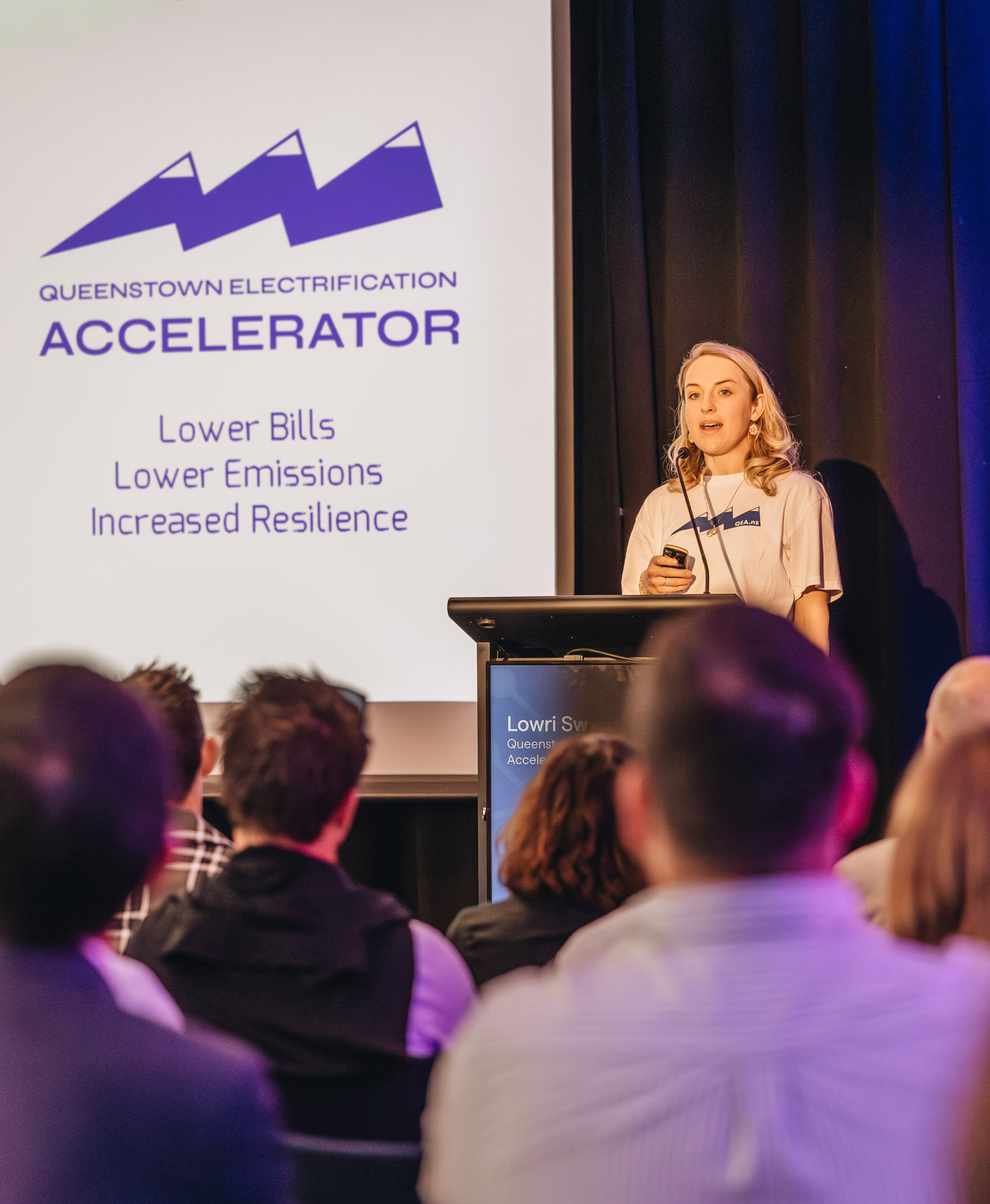
The Queenstown Electrification Accelerator is a community-led and supported electrification pilot project run indendently for and by the community. Building an energy blueprint and lighthouse project for how communities nationwide and worldwide can achieve lower bills, lower emissions, and higher resilience through rapid and fair electrification.
Our goal is simple, help build the 2050 energy system by 2030 in once concentrated place. Becoming a world leading electrified destination city, lowering our bills and emissions while increasing our resilience - win-win.
.jpg)
The QEA is made possible by the support of forward-thinking organisations committed to our community's energy future, working towards lower bills, lower emissions, and a more resilient local energy system.






QEA was started mid-2025, and we've hit the ground running, here's our first year impact report.

Co-Lead
Steve co-leads the Queenstown Electrification Accelerator. He has extensive and highly respected experience working throughout New Zealand's energy system for over 25 years. He co-founded Whiteboard Energy which runs training for New Zealand's energy industry from new staff to board level. He is a director of Sapere Research Group, and a board member of Mana Tahuna Charitable Trust.

Co-Lead
Josh co-leads the Queenstown Electrification Accelerator. He helped establish the non-profit Rewiring Aotearoa and has authored and led its research work since its establishment. He previously led the research work of Rewiring Australia, and across the two countries has worked on energy modelling, pilot project development, regulatory reform, and community focused energy innovation.

Business Electrification Lead
Lowri is passionate about making lasting change in the built environment, with a background in carbon management for the built environment and Civil and Structural Engineering. Lowri has implemented decarbonisation strategies across New Zealand, Australia and the UK, setting transformative standards for carbon management in the built environment. Lowri has also collaborated with industry leading tool developers, revolutionising carbon management and driving innovation. Her expertise combines strategic leadership, technical know-how, and a passion for impactful climate action.
Community Energy Lead
Jade Baker-Edwards is an energy decarbonisation & electrification professional with a background in both Business Management and Environmental Engineering. As a former Principal Energy & Sustainability Consultant working on a range of decarbonisation projects, as well as organising Destination Queenstown's Electrify Queenstown conference, she brings her wealth of relevant experience to the community energy space. She is working on QEA to help Queenstown households decarbonise through energy behaviour analysis, solar potential modelling, and collaborating with local community groups to support electrification.

Community Engagement and Comms Coordinator
Rachel Garlake-Louw is a human geography graduate who comes to QEA with a background in community mobilisation and climate-focused communications. Through organisations including EcoDurham, Oxfam, Amnesty International, and the UK Youth Climate Coalition, she has led campaigns, organised events, and designed engagement initiatives. She combines research and project management skills with a strongly people-centred approach. Her focus is on storytelling across a range of media, underpinned by her passion for nurturing community-led change and telling the stories of the change-makers she encounters in her work.
This means electrifying appliances and vehicles in both homes and businesses can save money and emissions from day one. It's a true win-win.

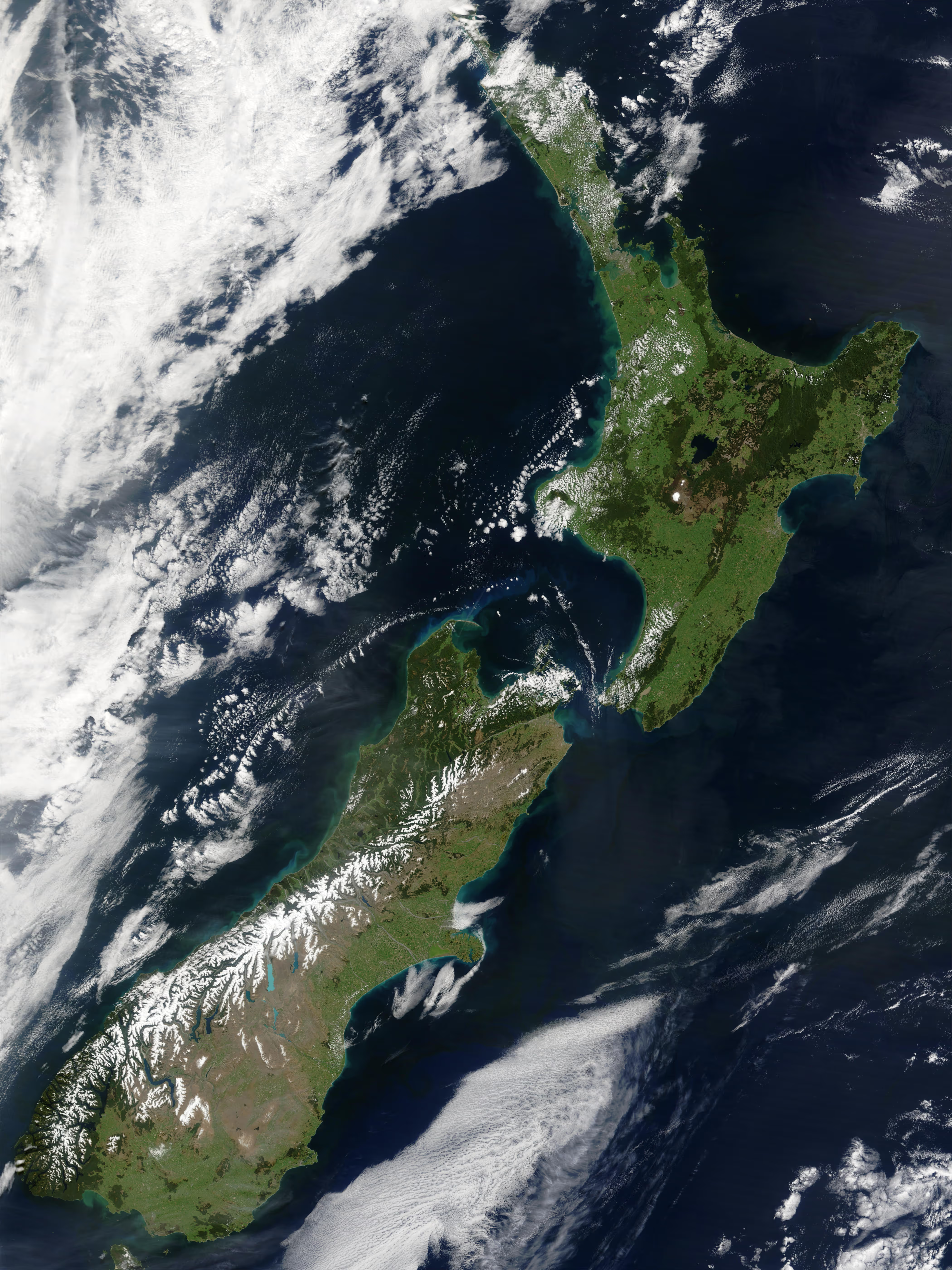
We've demonstrated that we can lower bills by thousands, lower most CO2 emissions, save millions for communities and billions for NZ by powering more of our machines by New Zealand made electricity rather than mostly imported fossil fuels. You can see our detailed research research papers Electric Homes, The Electrification Opportunity, and The Machine Count.
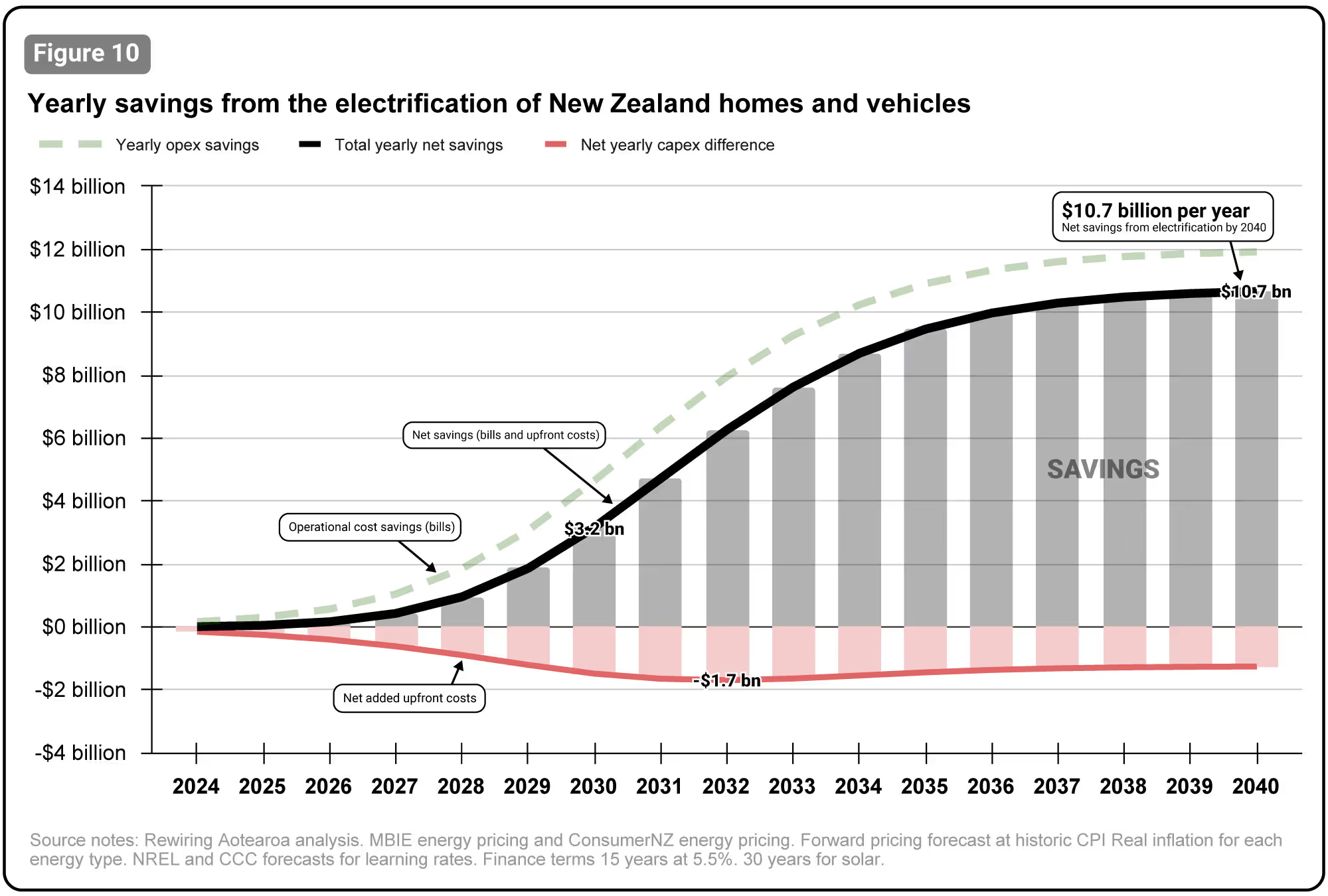
Figure 10 from Investing in Tomorrow Report, August 2024 by Rewiring Aotearoa, co-authored by Paul Conway, Chief Economist of The Reserve Bank of New Zealand.
Queenstown is even further past the tipping point, the economics work even better. We have ambitious businesses and homes who understand the importance of the natural environment, and an urgent need for energy resilience due to risks like AF8. We are a nationally and globally recognisable destination that could be the world's lighthouse of energy innovation, showing we can build the future, deliver lower bills, lower emissions, and high resilience. Win-win.

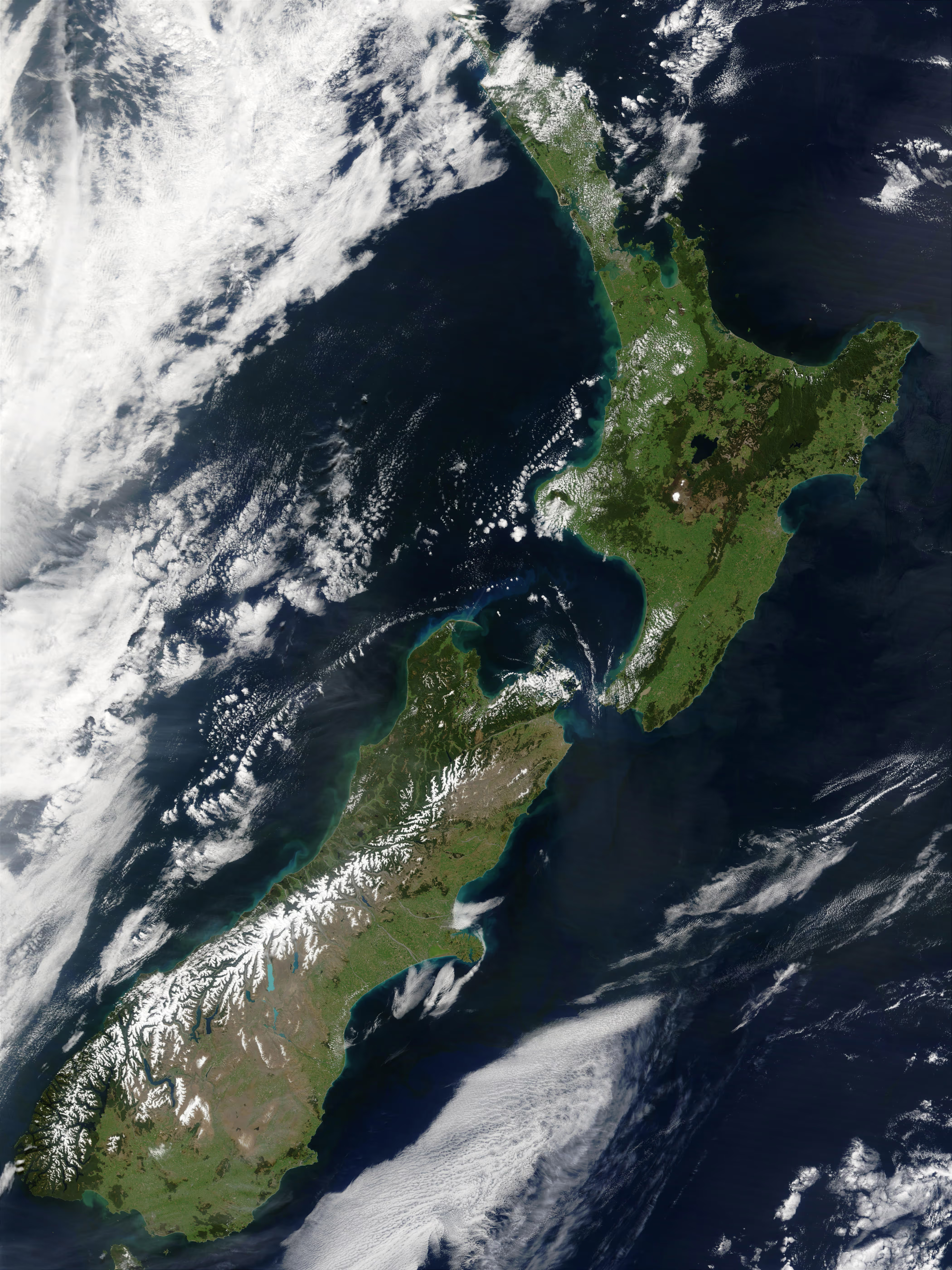
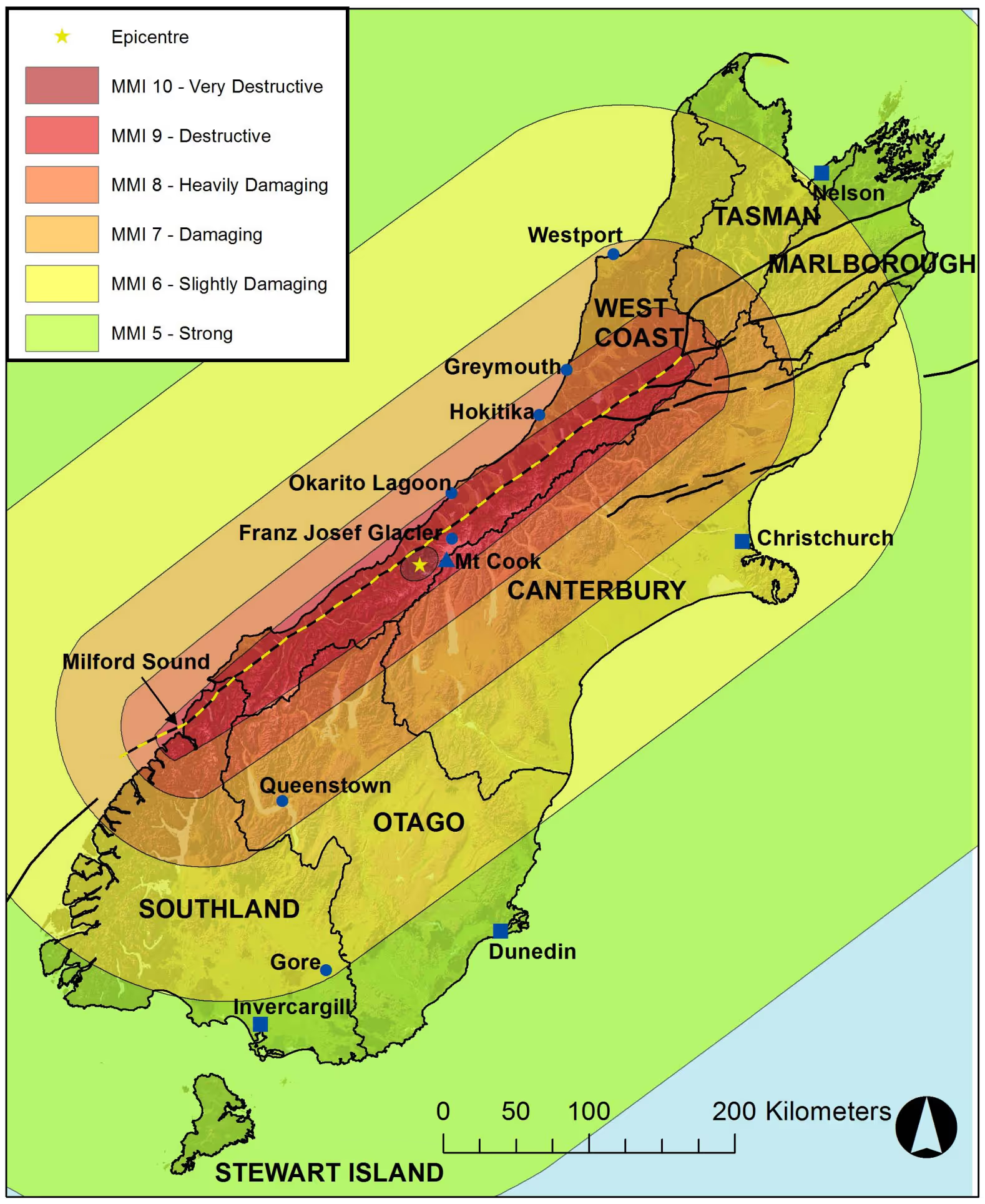
There is an >80% chance of a major earthquake along the alpine fault line in the next 50 years, and this could cut the region off from both power and fuel delivery (road access). By generating far more electriicty locally through rooftop solar and batteries, which can also save us money, we can better prepare to keep the lights on and our homes warm.
You can see our detailed research here, here, and here.
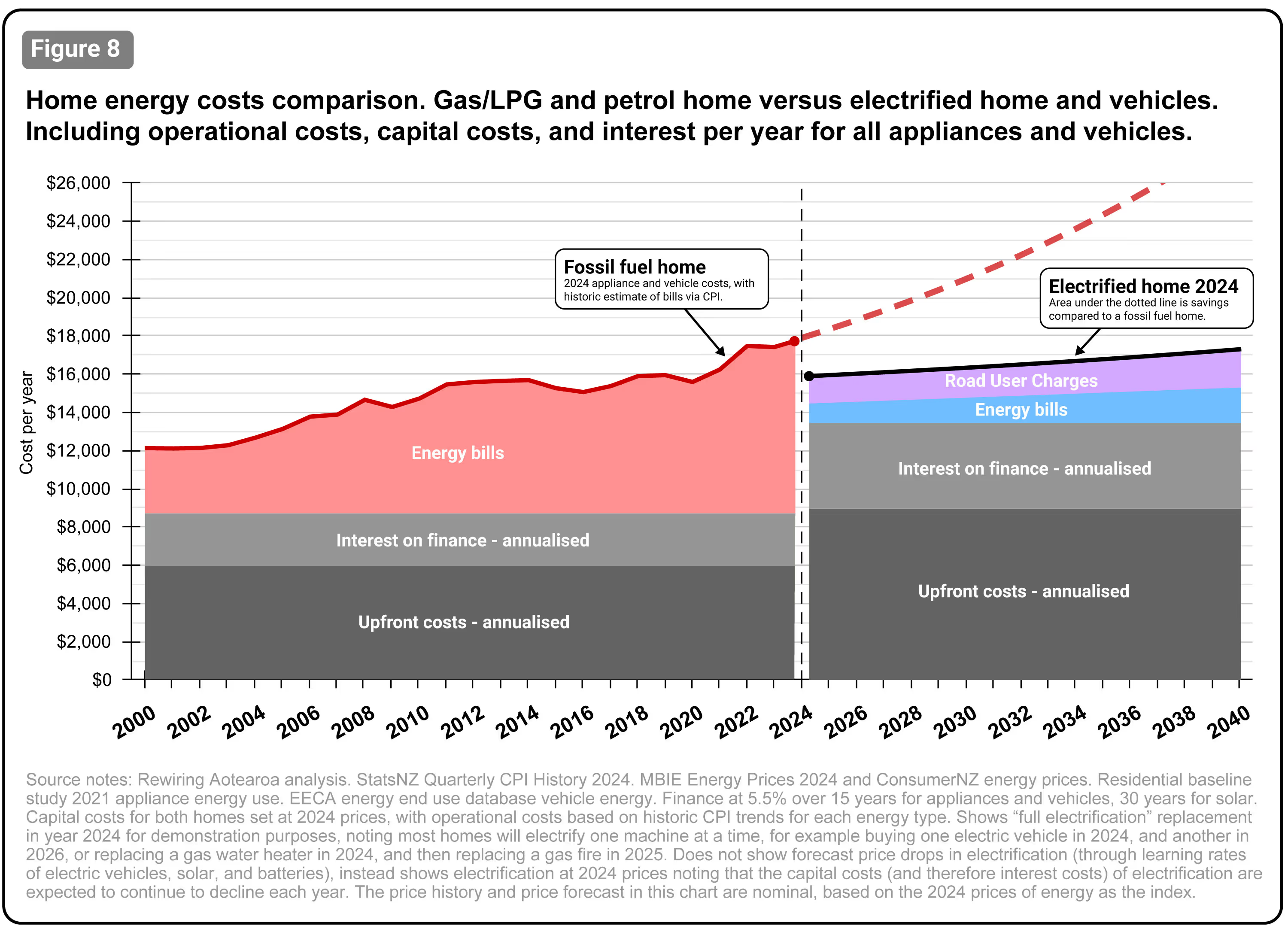
Figure 8 from Investing in Tomorrow Report, August 2024 by Rewiring Aotearoa, co-authored by Paul Conway, Chief Economist of The Reserve Bank of New Zealand. Based on work undertaken by Rewiring Aotearoa and EECA.
The world needs ambitious leadership that builds a better future for our communities and our climate. Queenstown, being accross the tipping point and with ambitious homes and businesses alike, could lead the world by being the most electrified destination on earth. Showing our energy future can bring with it vast benefits accross the community.
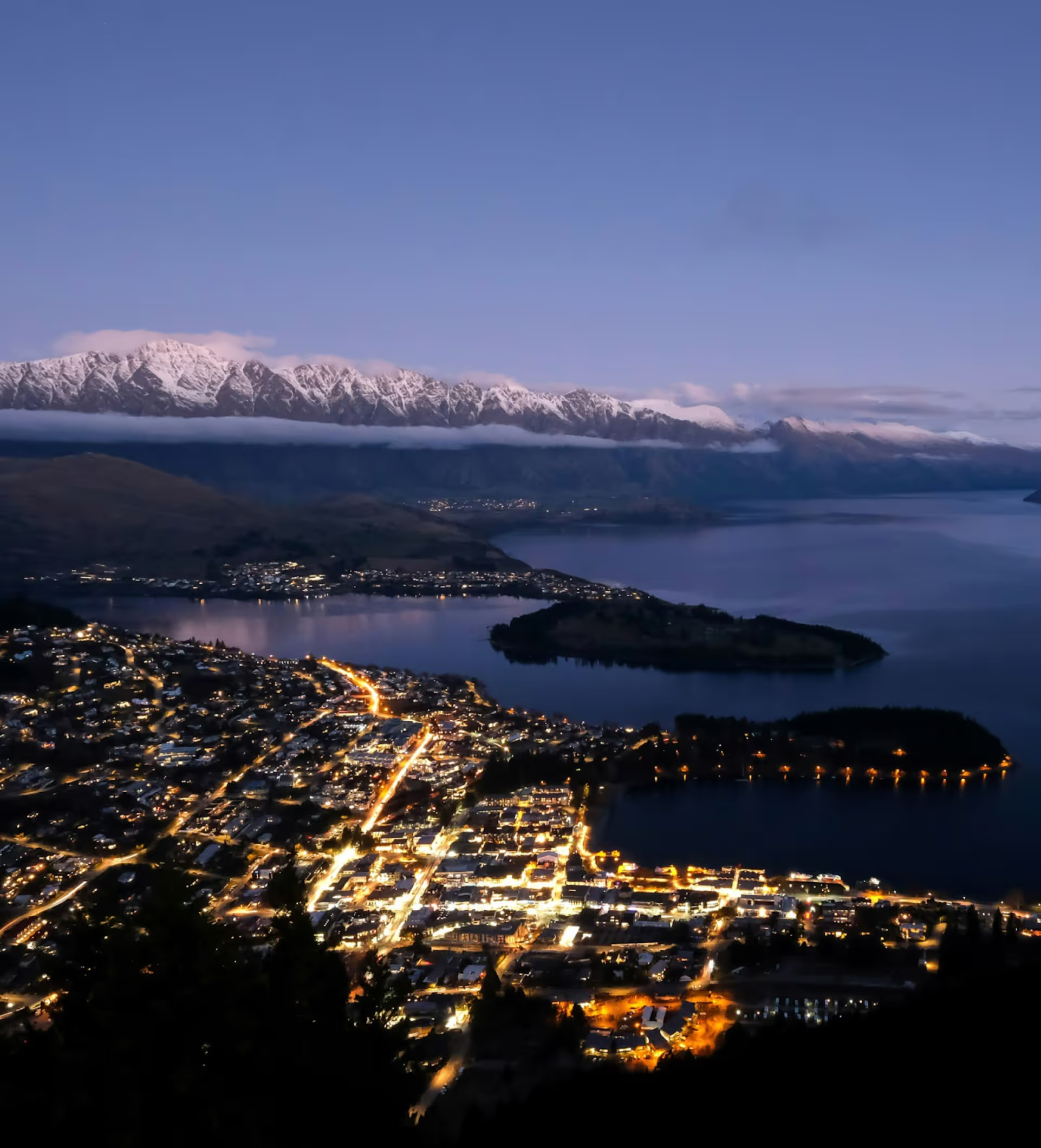
With support from numourous community and national organisations, we launched this community-led electrification pilot project with the goal of building the 2050 energy system by 2030. Creating an energy blueprint and lighthouse project for how communities nationwide and worldwide can achieve lower bills, lower emissions, and higher resilience through rapid and fair electrification.



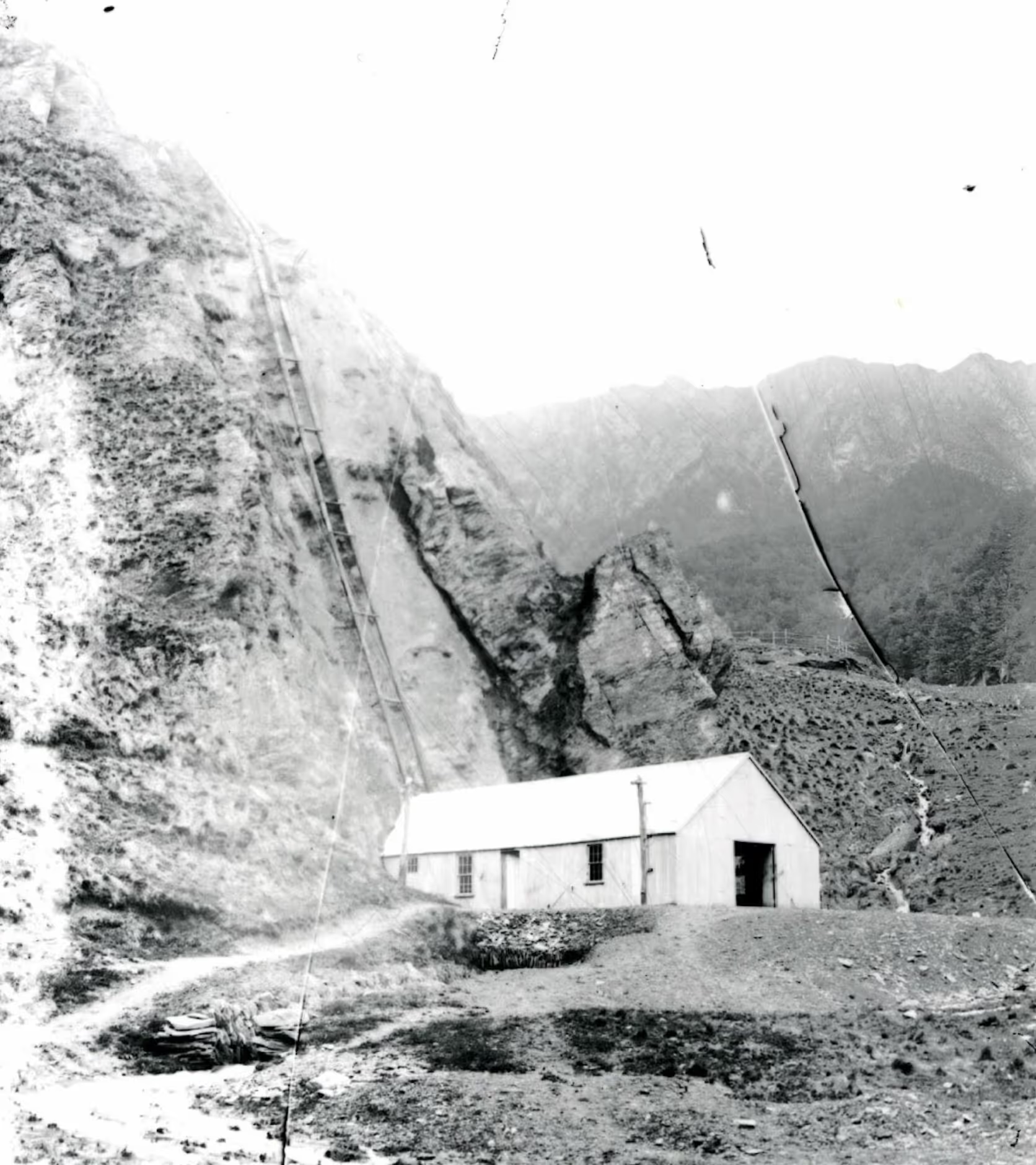
The Bullendale hydro generator was the first hydro power plant in New Zealand, and even included building (by horse!) the first electricity transmission line in the southern hemisphere. We should be at least as ambitious as they were. You can still hike there today.
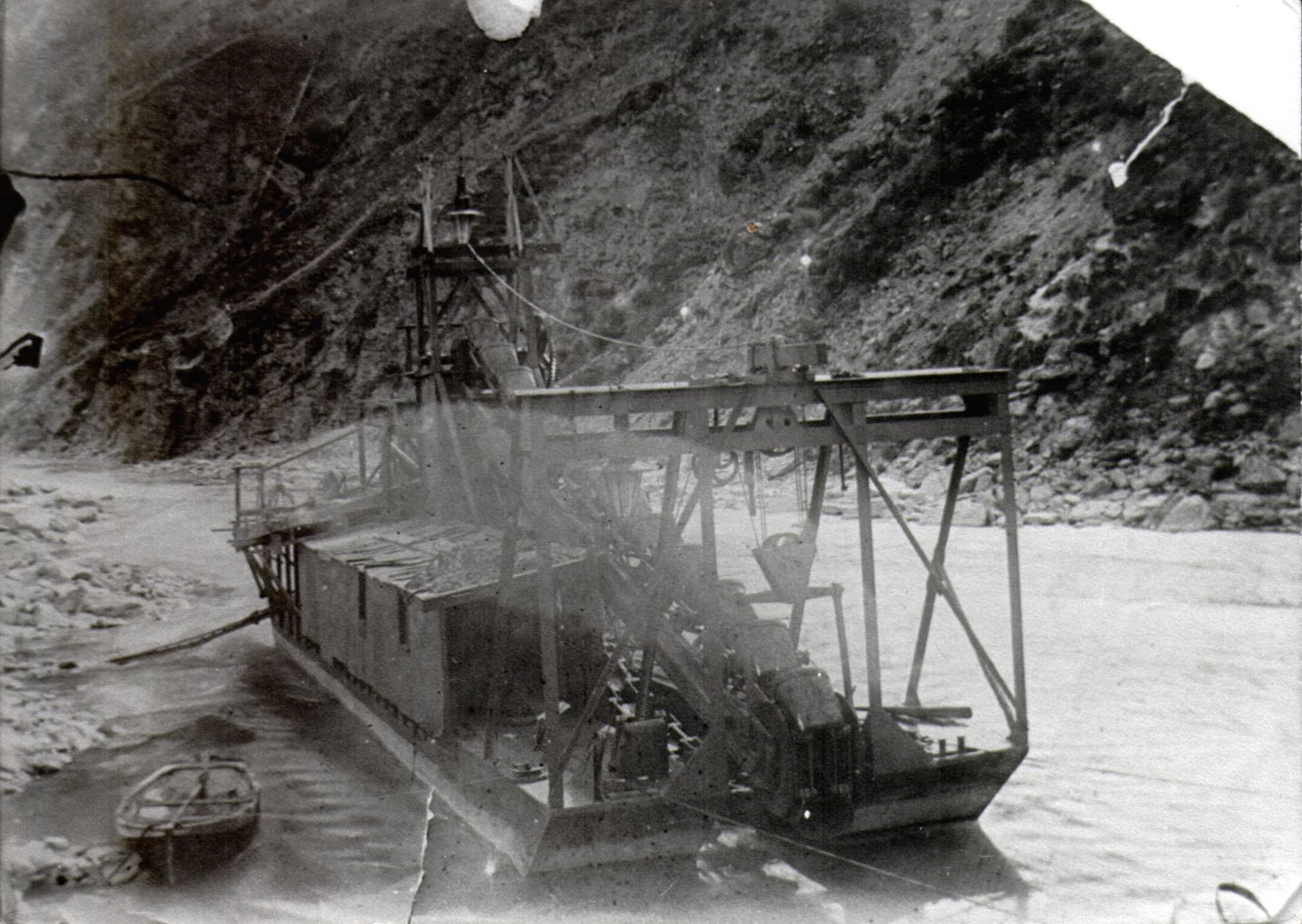
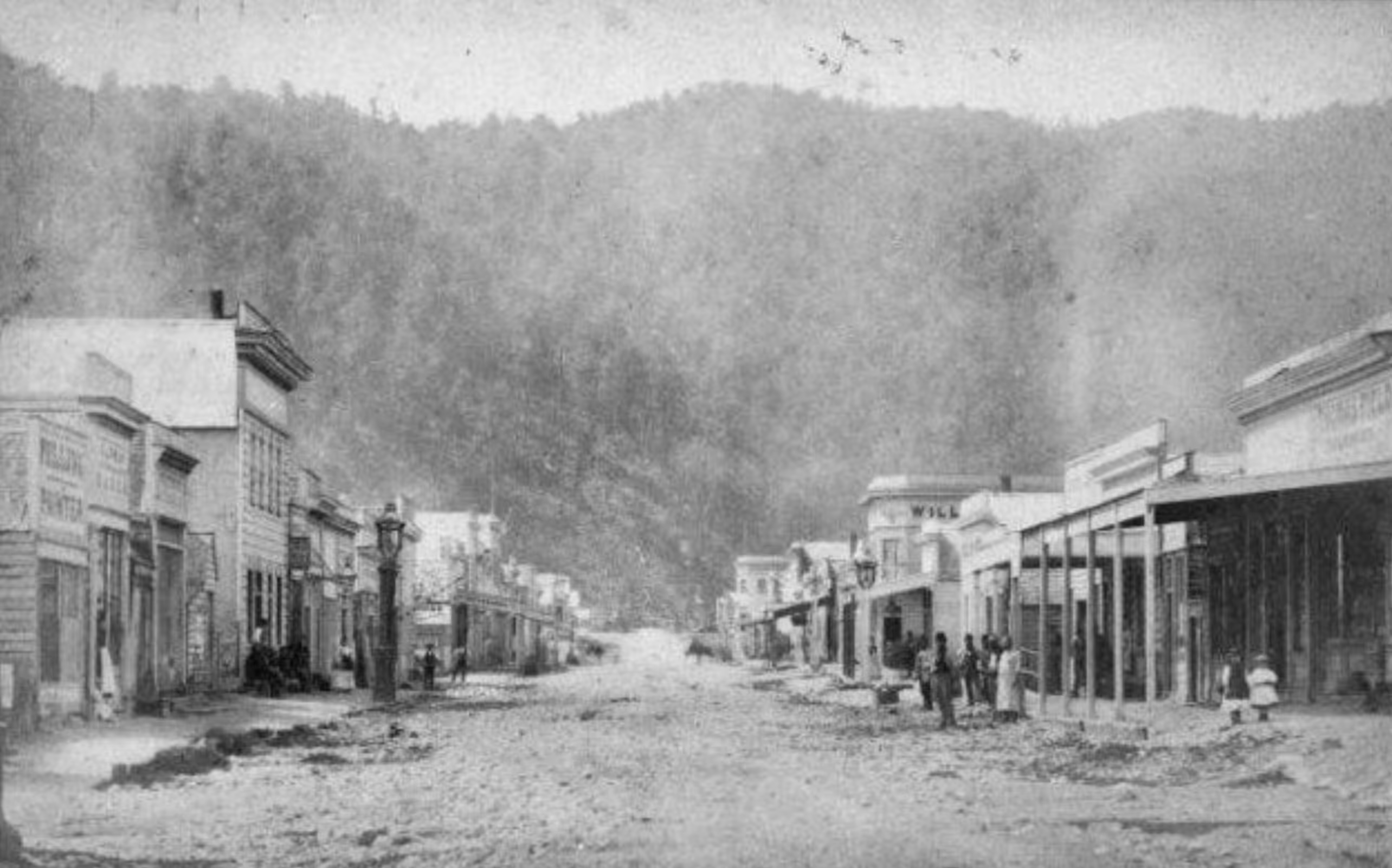
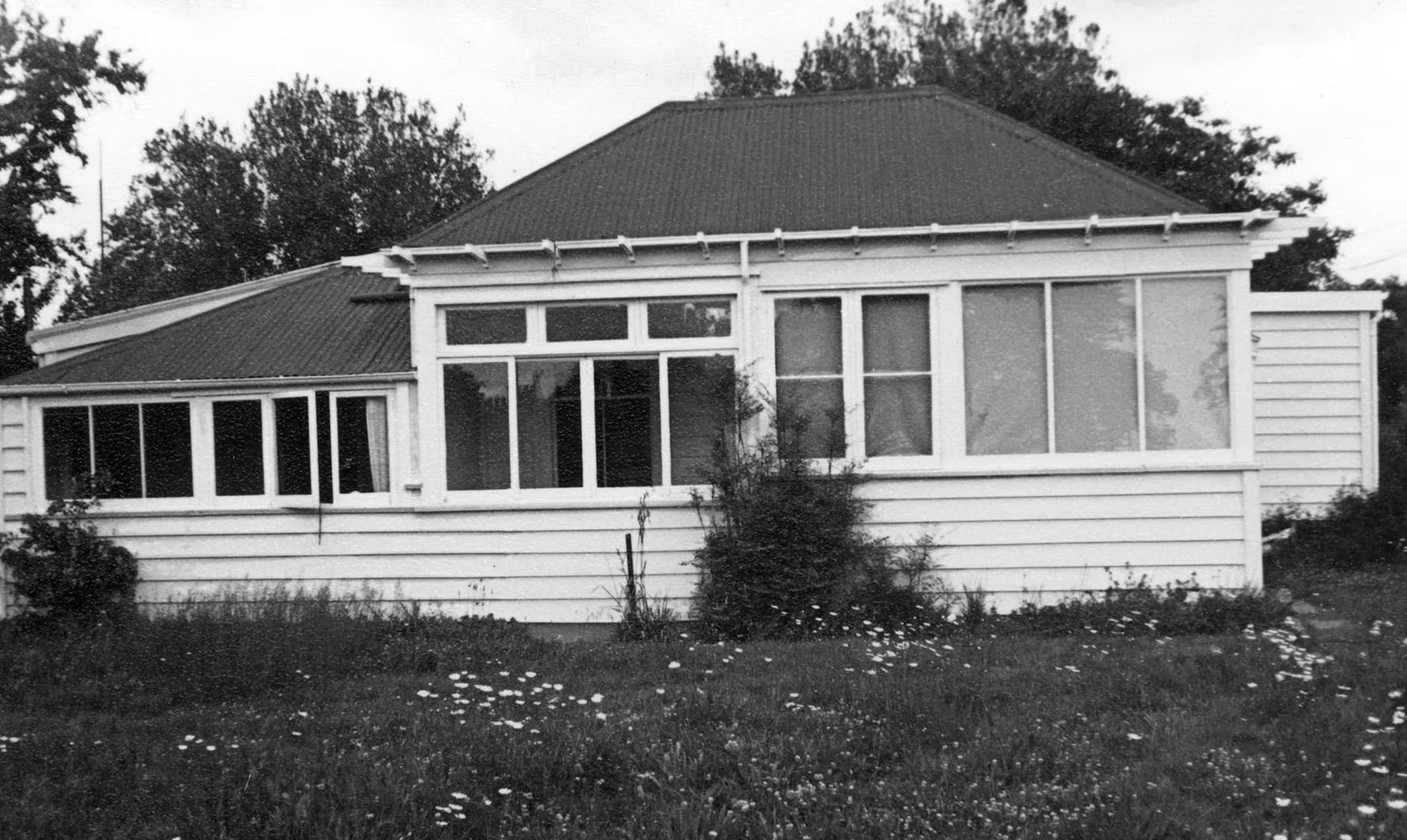
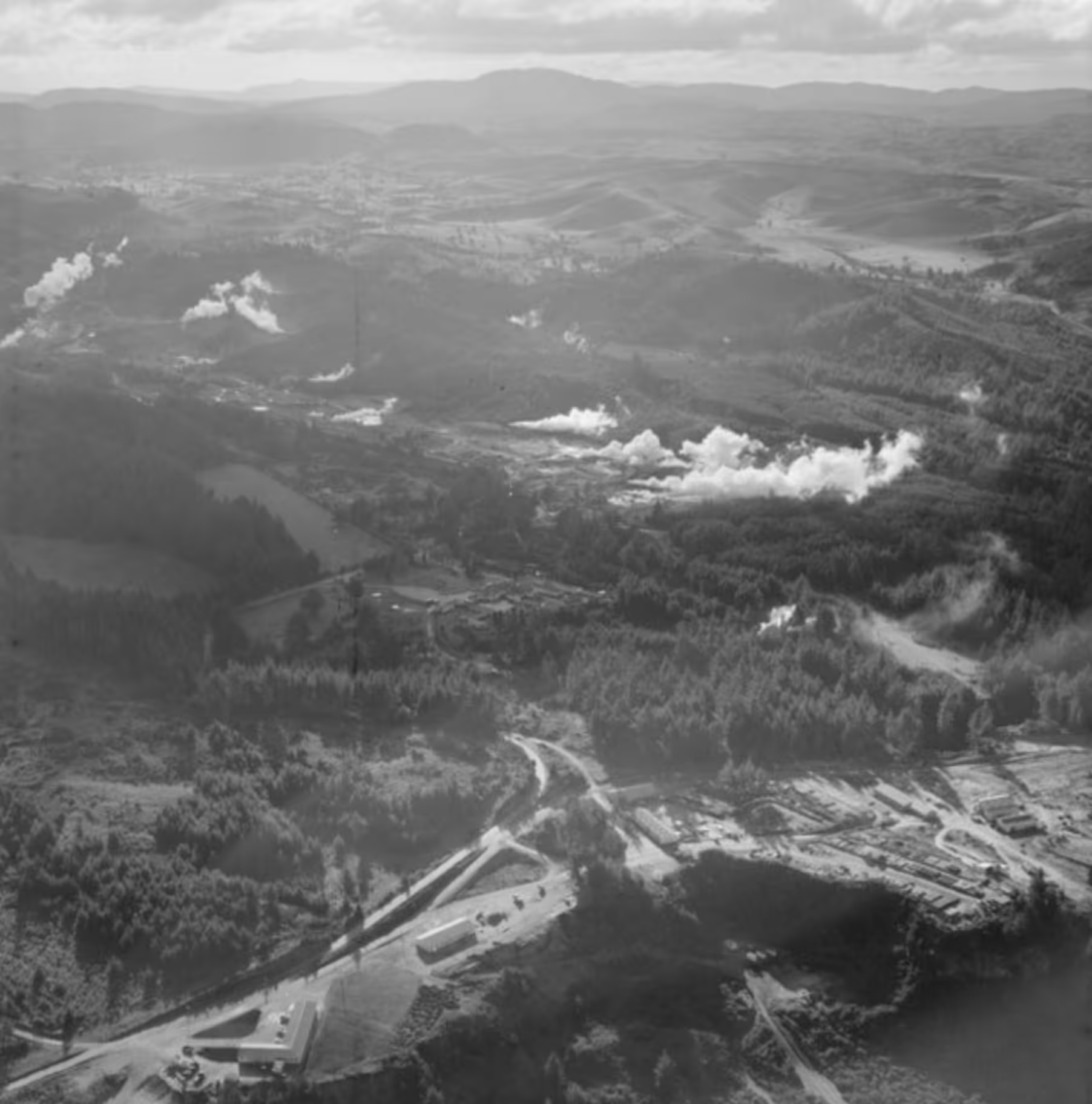
The first electric gold dredge, also in Queenstown (1888), the world's second public electric street lights (Reefton, 1889, one week behind Paris!), the first electric house in the world with the world's first household electric water heater, the world's first wet steam geothermal plant, and of course the electric fence.
-HYDRO-GENERATOR.avif)